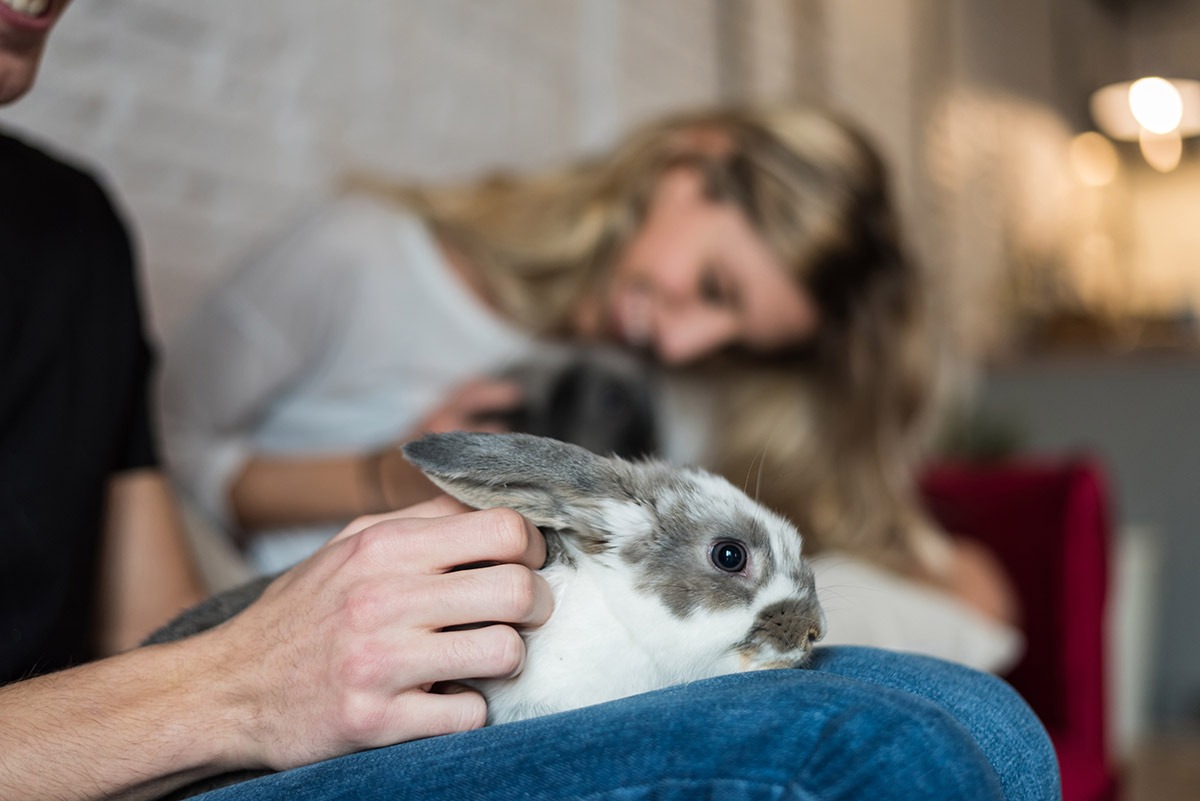
You should desex your rabbit if you want to give them the best chance of a longer, disease-free, and happier life.
I’m Dr Alina from Lynbrook and Berwick Clyde vets. I’ve been a vet for more time than I’d care to mention, and one of my specialities is rabbits, and small animals, like guinea pigs. When it comes to rabbit-care, one of the questions I’m frequently asked is whether or not a client (and this time I mean the human), should bother desexing their rabbit.
Our answer is overwhelmingly – Yes!
While no surgical procedure is without risks, with rabbits the benefits far outweigh the risks.
Here are the main benefits that I think are worth mentioning from desexing a rabbit:
1. Desexing prevents reproductive cancers:
Female Rabbits (or Does) are unlike any other mammal in that if left undesexed by the age of 3 years, over 80% will develop cancers associated with the reproductive tract. These can spread to the lungs and the liver and prove fatal. Just stop and think of this statistic.
Over 80% of female rabbits, if not desexed, will develop cancer and die as a result! This by itself should be enough reason to desex a Doe.
Further, undesexed Does can develop an infection of the uterus called Pyometra. This condition is painful and can also prove fatal if not treated on time, not to mention the costs of treatment if she does develop this condition.
Bucks or Male rabbits can also develop cancers of their testes and prostrate, but these are much less common when compared to females.

2. Desexing rabbits leads to positive behaviours:
Undesexed rabbits can, under the influence of hormones, display behaviours that are not desirable.
Let’s face it: we get Rabbits as pets because they are cute and cuddly. However, as the hormones start to rage, these cute and cuddly creatures can become aggressive, spray urine outside of the litter tray, and fight and attack other rabbits, pets, and children. This is by no means pleasurable and affects the bond we have with them. Desexing gets rid of the hormones and reduces these problematic behaviours.
3. Desexing helps in socialising and bonding:
Rabbits are social animals, and most people have more than one in their homes. This is beneficial for the rabbit’s well-being. For the same reasons as discussed above, undesexed males or females will, under the influence of their hormones, display aggressive and territorial behaviours that will prevent them from living harmoniously. Not to mention, undesexed males and females housed together will lead to unwanted pregnancies and stress for the rabbits.
4. Desexing eliminates unwanted pregnancies:
It may seem obvious, but desexed rabbits cannot breed and produce baby rabbits. If your rabbits were to have babies (and we’re all well aware of how good rabbits are at that!), it can be a lot of work to find good homes for them. Shelters and vet clinics are already overwhelmed with rescue and surrendered animals, and this can add unnecessary pressure on them when it is preventable.
If you needed one reason to desex your male and/ or female rabbit, it is this: all female rabbits should be desexed to prevent reproductive cancers, which can occur in over 80% of females by the age of three years. All male Rabbits, whether living alone or with other rabbits should be desexed to reduce the instance of negative behaviours such as aggression, urine spraying and mounting.

What is the best age for Desexing my Rabbit?
Males can be desexed as early as 4 months.
With female rabbits, it depends on the breed and the size of the patient. We recommend that:
- Regular breed females be desexed from 6 months of age,
- Giant breed females from 5-6 months of age,
- and Dwarf breed females need to be a minimum of 1kg and between 12-24 months of age. Prior to this age, the reproductive organs can be very delicate, and the risks of surgery can be higher.
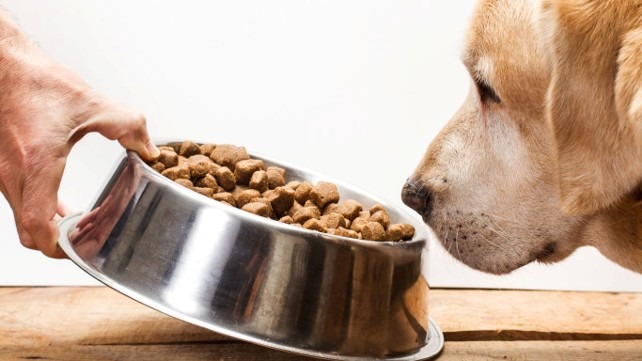
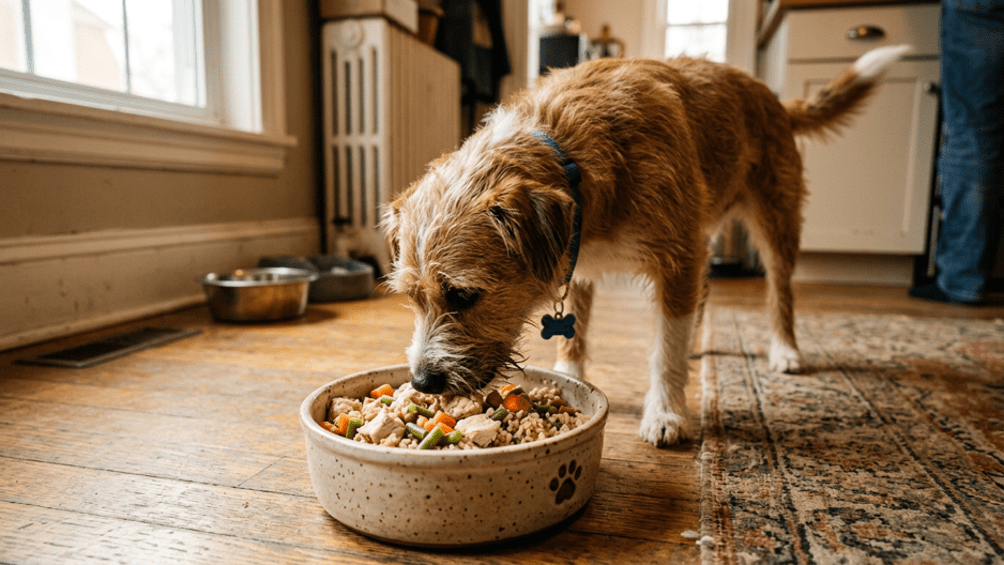
In addition to the minimum age of desexing, the diet plays a very important role before desexing. It is imperative that all rabbits be on the correct diet for at least 4-6 weeks before their procedure.
The correct diet for a rabbit prior to desexing
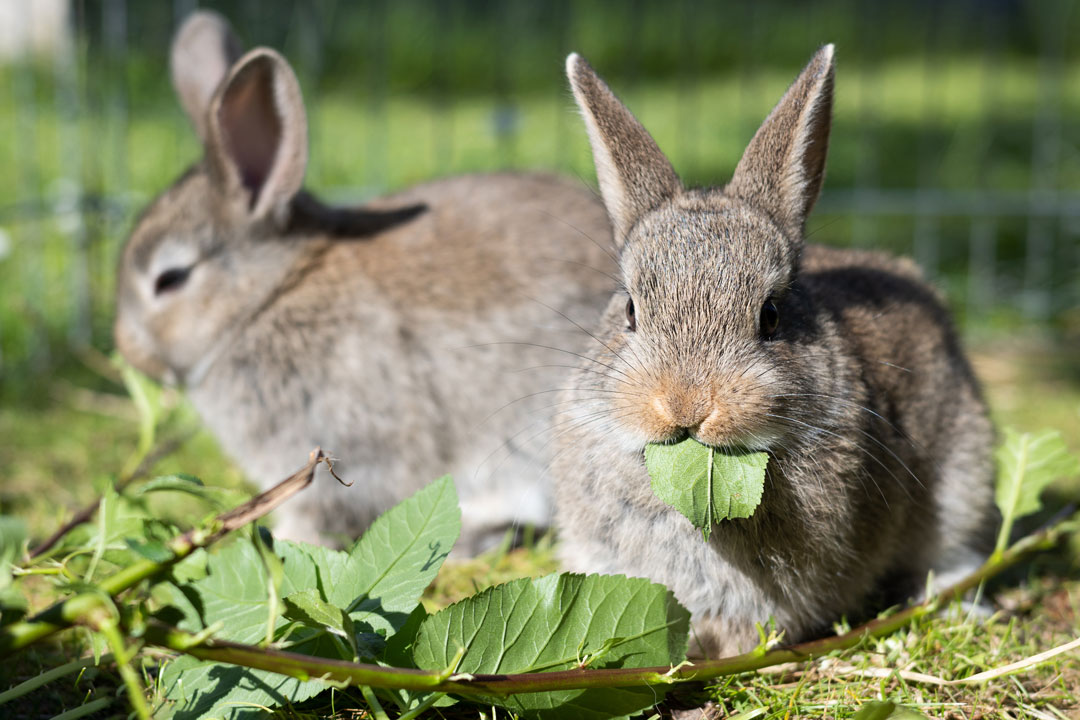
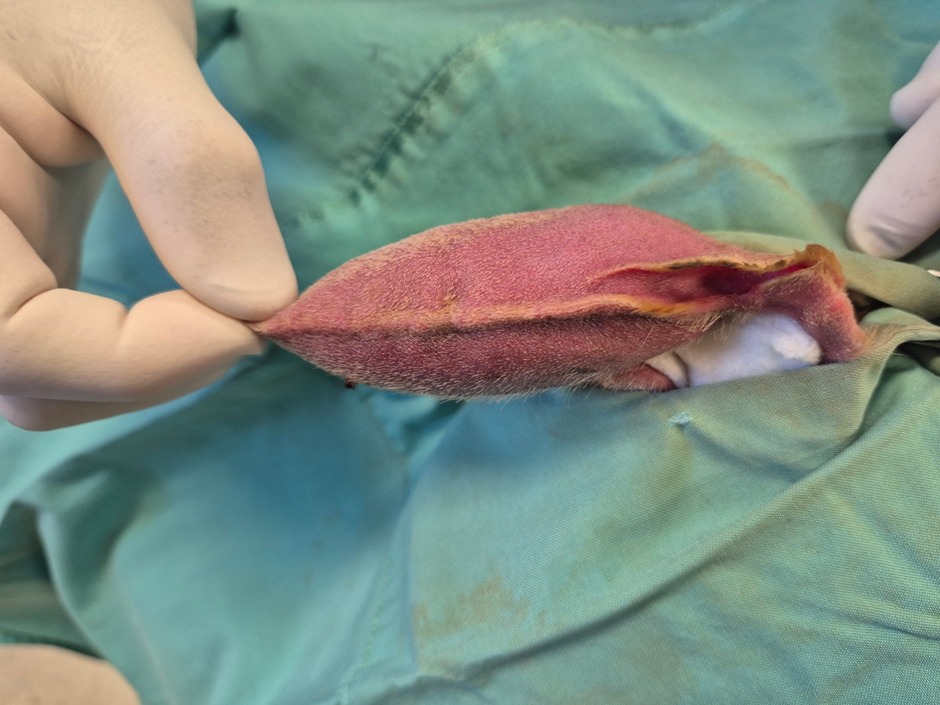
We hope that this information has been helpful to you if you have rabbits (or are thinking of getting a rabbit). At Lynbrook Vet and Berwick Clyde Vet, our teams have had specialised training on rabbit medicine and surgery, especially anaesthetics, so that our rabbit surgeries are performed to the highest standard. What this means for your rabbit undergoing surgery is that they get the very best care, a stress-free and painless experience with a great post-operative recovery.
To book your rabbit in, or ask us a question about them, please get in touch.