Pet laser therapy is a non-invasive treatment that uses focused wavelengths of light to reduce pain, calm inflammation and speed up healing in dogs and cats.
Also known as photobiomodulation or cold laser therapy, it is one of the treatments we reach for most often at Berwick Clyde Vet to help pets recover more comfortably after surgery, injury and the wear and tear of chronic conditions such as arthritis. Below we walk through the common conditions laser therapy can treat, what a session actually looks like, and how many treatments your pet is likely to need.
What Is Pet Laser Therapy?
Pet laser therapy, or photobiomodulation (PBMT), is a non-invasive medical treatment that uses specific wavelengths of light to stimulate natural processes inside your pet’s cells. There are no needles, no chemicals and no toxins involved. The light energy encourages the body to heal itself: it promotes muscle, tissue and joint repair, supports nerve regeneration, and helps reduce both acute and chronic pain.
At a cellular level, the laser does a few things at once. It reduces inflammation by lowering the production of pro-inflammatory substances in the body. It reduces swelling by activating lymphatic drainage and improving circulation, which increases the flow of oxygen and nutrients to the tissues that need to heal. As pain and inflammation settle, mobility improves and tissue repair accelerates, which can also help minimise scar formation after surgery. You may also hear laser therapy called cold laser therapy, low-level laser therapy (LLLT) or Class IV therapeutic laser.
We use laser therapy most commonly in dogs and cats, though it can also be used in rabbits, birds and a range of other small animals. Most sessions take only a few minutes, and the majority of pets find the experience quite pleasant.

What Conditions Can Laser Therapy Treat in Dogs and Cats?
Laser therapy can treat a wide range of conditions in dogs and cats, including arthritis and chronic joint pain, post-surgical recovery, wounds and skin conditions, muscle and soft tissue injuries, spinal conditions such as intervertebral disc disease, and a number of feline-specific problems. Each of these is covered in more detail below.
Arthritis and Chronic Joint Pain in Dogs
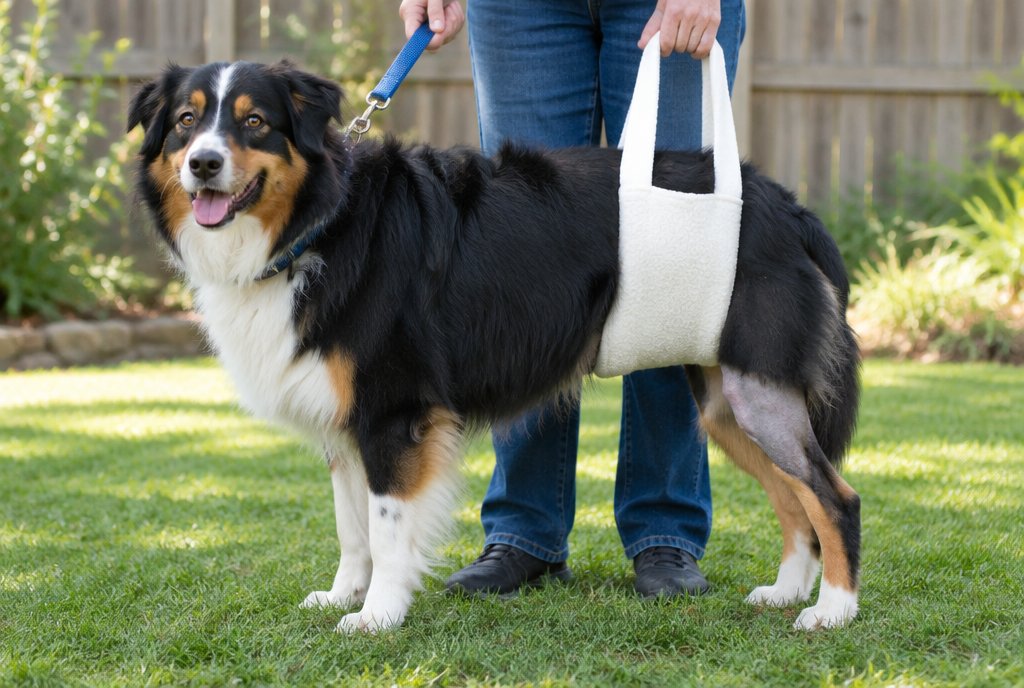
Arthritis, or osteoarthritis, is one of the most common conditions we treat with laser therapy at Berwick Clyde Vet. It most often affects the hips, knees, elbows and spine. The laser works by reducing inflammation in and around the joint, improving blood flow, and stimulating tissue repair, which together help ease pain and improve mobility. In our experience, many senior dogs that had been struggling to rise from the floor or slowing down on walks begin to move with noticeably more comfort after a course of sessions. Laser therapy is not a cure, but as part of a broader plan it can make a real difference to a dog’s day-to-day comfort. It works well alongside other treatments such as anti-inflammatory medications, joint supplements and pain relief. If you have noticed your dog slowing down, it is worth recognising the signs of arthritis in your dog early so we can start managing it sooner.
Post-Surgical Recovery: How Laser Therapy Speeds Healing
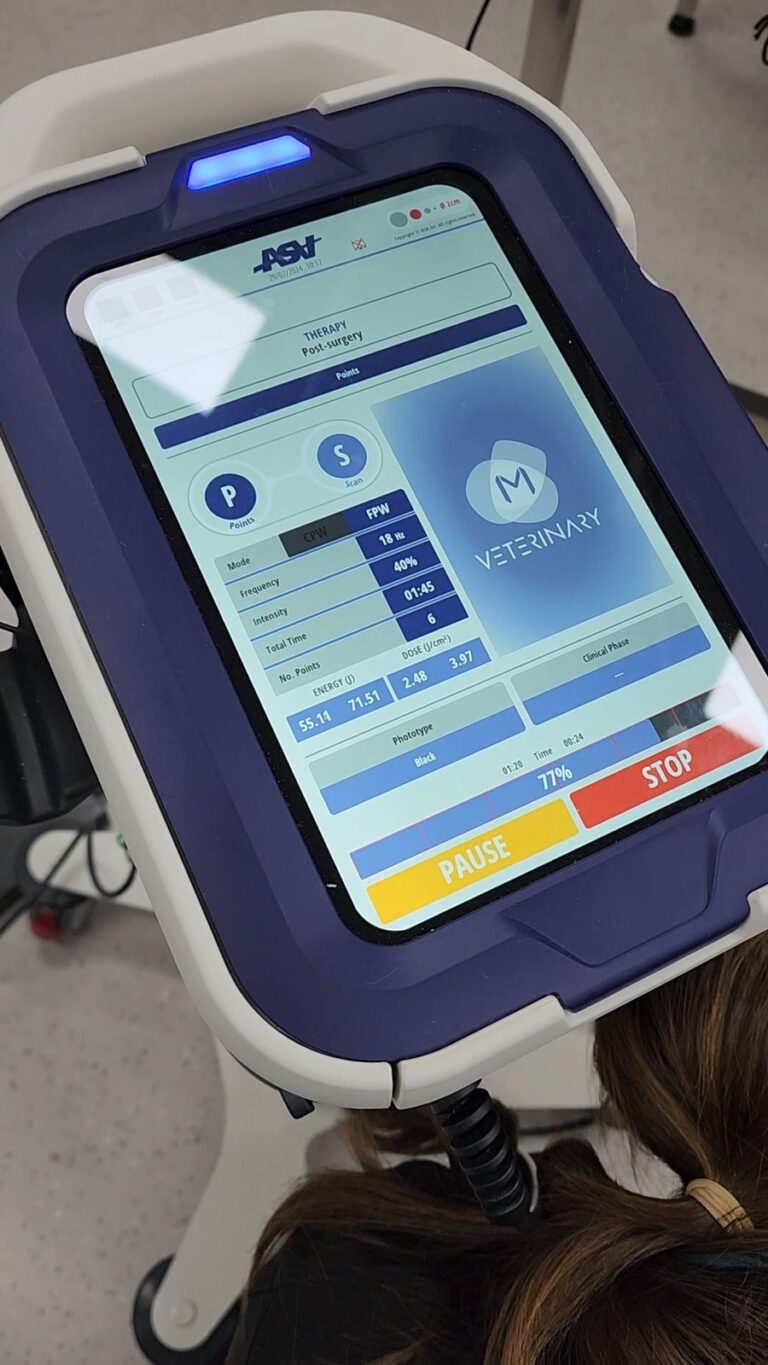
Laser therapy is routinely used at Berwick Clyde Vet to support recovery after surgery. We commonly follow up procedures such as cruciate repair, soft tissue surgical services, desexing and dental extractions with laser treatment. Applied to a surgical site, the laser helps promote collagen formation, reduces post-operative inflammation and decreases swelling, which supports faster, more comfortable healing. Following surgery we typically perform two sessions: one immediately after the procedure and another a couple of days later. In many cases this can also reduce a pet’s reliance on post-operative pain medication.
Wound Healing, Hot Spots and Skin Conditions
Laser therapy is highly effective for accelerating wound healing and managing skin conditions in dogs and cats. We use it on hot spots (superficial skin infections that are very common in Australian dogs), lacerations, bite wounds, abrasions and burns, as well as to help seromas and haematomas resolve faster. At the tissue level the laser stimulates cellular repair, reduces inflammation and promotes lymphatic drainage. It can also be used for less obvious problems such as anal gland infections, severe dermatitis and inflammation of the gums, and in some cases it may reduce the need for antibiotics or a prolonged stint in the cone.
Muscle, Tendon and Ligament Injuries
Muscle sprains, strains and soft tissue injuries respond well to laser therapy, particularly in active, sporting and working dogs. By reducing inflammation and pain while supporting tissue repair, the laser can help these injuries settle more quickly and comfortably. It can also support the conservative management of some ligament injuries that are not yet at the surgical stage. Where an injury is being managed with rehabilitation, laser therapy pairs naturally with post-surgical physiotherapy to help your pet return to full function.

Back Pain, Intervertebral Disc Disease (IVDD) and Spinal Conditions in Dogs
Back pain and intervertebral disc disease (IVDD) are among the more distressing conditions we treat with laser therapy. Certain breeds are more prone to disc problems, including Dachshunds, Corgis, Beagles, Shih Tzus and French Bulldogs. Applied over the affected disc or spinal region, laser therapy helps reduce inflammation and pain, and it is generally used alongside strict rest and anti-inflammatory medication rather than on its own. Because spinal cases can change quickly, every pet is assessed individually, and there are some situations where laser therapy is not the right choice. If your dog is showing sudden back pain, weakness or difficulty walking, please contact us straight away.
Laser Therapy for Cats: Arthritis, Dental Recovery and More
Laser therapy is just as effective for cats as it is for dogs, though many cat owners do not realise it is available for their pet. Arthritis in senior cats is significantly underdiagnosed and often missed at home, and laser therapy is a gentle way to help keep older cats comfortable and mobile. We also use it to support recovery after dental extractions, to settle inflammation of the gums, and to speed healing after other surgery. Most cats tolerate sessions very well, especially when combined with our stress and fear free care approach. Laser therapy fits neatly into a broader senior pet care plan, and can be arranged alongside dental services where needed.
What Happens During a Laser Therapy Session at Berwick Clyde Vet?
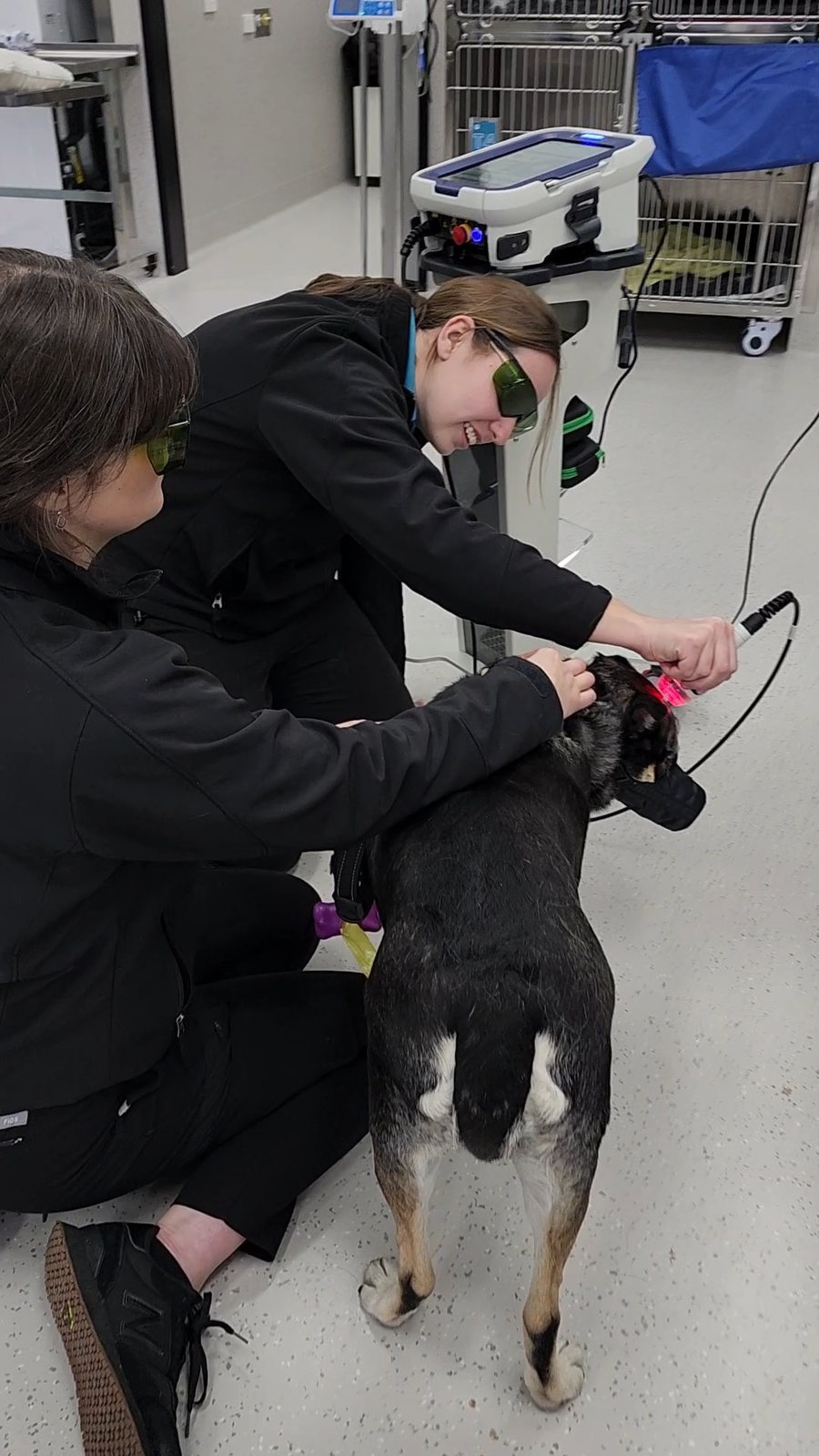
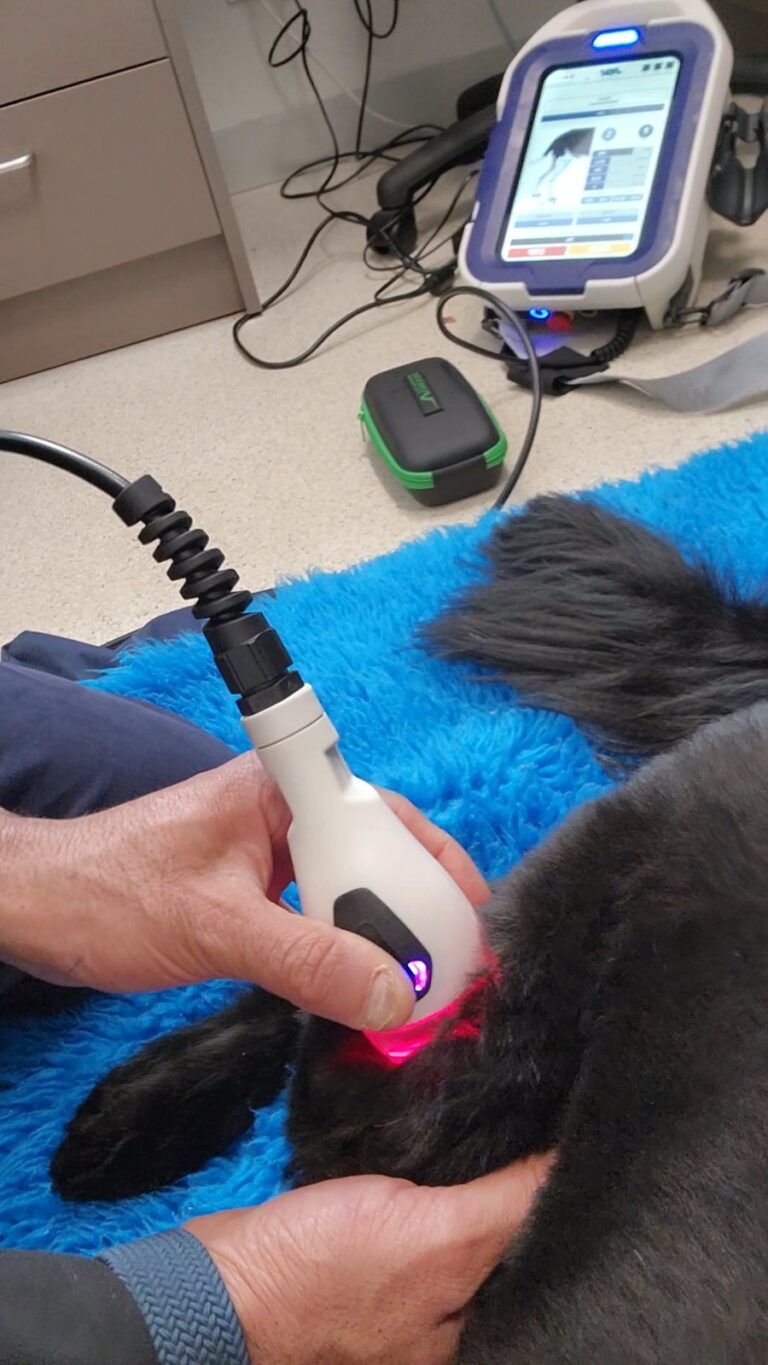
A laser therapy session at Berwick Clyde Vet usually takes no more than 10 to 15 minutes and does not require sedation. Your pet is brought into a comfortable room with a soft bed to lie or stand on. You and the treating team member are given protective goggles, and your pet’s eyes are protected too, as this is the one important safety step with laser light. We then select the correct setting on the machine for the condition being treated and gently hold the laser head over the affected area. Most pets find the gentle warmth soothing, and it is not unusual for them to relax or even doze off during treatment. There is nothing you need to do to prepare, and your pet can head home straight afterwards. We see pet owners from across Clyde North, Berwick, Cranbourne, Narre Warren and the wider Casey area, and our stress and fear free care approach helps keep every visit calm.

How Many Laser Therapy Sessions Does My Pet Need?
The number of laser therapy sessions your pet needs depends on the condition being treated and how severe it is. As a general guide, acute injuries often improve over a short course of sessions across two to three weeks. After routine surgery we usually perform two sessions, one immediately after the procedure and one a few days later. After major orthopaedic surgery, sessions may start at two to three times a week and then taper down gradually over roughly a 8-12-week period. Chronic conditions such as arthritis tend to respond best to ongoing maintenance sessions, spaced out once your pet is comfortable. We will always map out a clear plan for your pet rather than leaving it open-ended. To work out the right schedule, book a consultation with our team.

Frequently Asked Questions About Pet Laser Therapy
Short, direct answers to the questions pet owners ask us most often about laser therapy.
Is laser therapy safe for dogs and cats?
Yes. Laser therapy is a well-established, non-invasive treatment used by vets worldwide. It does not require sedation and has no known side effects when applied correctly by a trained professional. It is suitable for pets of all ages, including seniors, and the only real precaution is protecting the eyes with goggles during treatment.
Is laser therapy painful for pets?
No. Laser therapy is not painful. Most pets feel only a gentle warming sensation, with no needles and no noise. Many relax or fall asleep during their session, which makes it particularly well-suited to older and more anxious animals who cope better with calm, low-stress treatment.
How quickly will I see results from laser therapy?
It depends on the condition and how severe it is. Some pets show improvement after the first session, while others improve gradually over a course of three to six treatments. After surgery, pets treated with laser therapy often return to normal function and heal faster than those who are not.
Can laser therapy be used alongside other treatments and medications?
Yes. Laser therapy works well alongside anti-inflammatories, pain relief, joint supplements, physiotherapy and hydrotherapy, and it does not interfere with other treatments. Over time it can sometimes allow a reduction in medication for pets on long-term pain management, which many owners value.
Does pet insurance cover laser therapy in Australia?
Many Australian pet insurance policies cover laser therapy, usually under alternative, complementary or rehabilitation care. Coverage limits and criteria vary between providers, and some require a pre-diagnosed condition. Always check your specific product disclosure statement, or ask your insurer directly, before starting a course of treatment.
Are there any conditions where laser therapy should not be used?
Yes. Laser therapy should not be applied over active cancerous tumours, as altering cellular activity may encourage growth or spread. It is also avoided over the eyes and during pregnancy. For this reason we do not treat areas where a malignant tumour has been removed. A full veterinary assessment is always carried out before treatment begins.
Book Laser Therapy for Your Pet in Clyde North
Laser therapy is a safe, gentle and drug-free way to help your pet heal faster and feel more comfortable, whether they are recovering from surgery, managing arthritis or nursing a stubborn wound. If you think your dog or cat could benefit, our team at Berwick Clyde Vet in Clyde North is happy to talk you through it and tailor a plan to your pet. Book an appointment today, and we will take it from there.