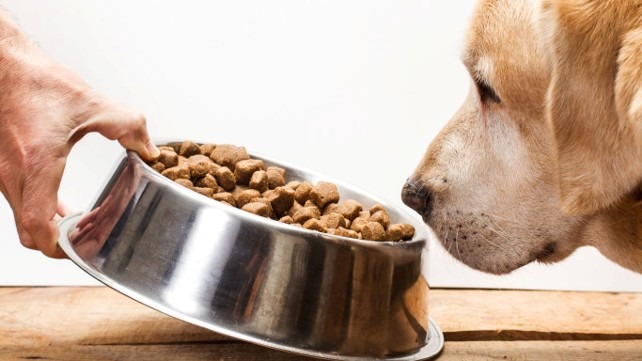
If you have decided to feed your dog or cat something better than kibble, you have four excellent options: gently cooked food, commercial raw, balanced home-cooked meals, and freeze-dried raw. You do not have to pick just one, and you do not have to switch everything overnight. Even replacing a portion of the kibble in the bowl with fresh, whole food makes a real difference to your pet’s health.
In our last article, we looked at why standard high-heat kibble falls short for our dogs and cats. That leads to the question every proactive pet parent eventually asks: “Okay, so if kibble is a no-go, what should I actually feed my dog or cat?”
This is my honest answer, based on what I feed my own greyhounds, what I have seen work for my patients, and what the science supports.
Why feed your dog fresh food instead of kibble?
Leading integrative veterinarians and pet health advocates, such as Dr Karen Becker and Rodney Habib (authors of The Forever Dog) and Dr Barbara Royal, largely agree on one thing: we should move away from ultra-processed, “dead” foods and back toward living, fresh, bioavailable nutrients.
Eating fresh, whole, unprocessed food rather than packaged, high-heat products is one of the best ways to prevent chronic problems like obesity, metabolic disease, organ stress, and ongoing inflammation. Based on my own experience, I have seen dogs recover from debilitating gut issues like constant vomiting, severe weight loss, and diarrhoea simply by changing what goes into their bowls. I have watched dogs shake off chronic skin allergies, overweight dogs comfortably return to a healthy weight, and dull coats turn glossy and healthy.
There is a lovely side benefit too. Many owners find that preparing food for their pet becomes a shared ritual that strengthens the bond between them. For me, watching my dogs genuinely enjoy their food is one of the main reasons I no longer feed kibble.
Do I have to stop feeding kibble completely?
No. Moving away from kibble does not mean cutting it out entirely on day one. It means using as little as possible in a way that still fits your budget and your lifestyle.
This is important, so I want to be clear about it. Nutrition is not an all-or-nothing game. Our job as vets is to recommend what is best for your pet, then work with your family to find what actually fits your life. If you can only replace some of the kibble for now, that is genuinely worth doing. Your pet will be better off for it.
The four best alternatives to kibble for dogs and cats
Here is an honest breakdown of the four fresh feeding methods, including the pros and cons. Use the table for a quick comparison, then read on for the details, including where you can source the food in Melbourne.
| Feeding method | What it is | Key benefit | Watch-outs | Freezing |
|---|---|---|---|---|
| Gently cooked | Fresh ingredients lightly cooked at low heat | Very palatable, gentle on digestion, no pathogen risk | More expensive than kibble | Yes |
| Commercial raw | Complete raw diet made to a balanced formula | Highest nutrient availability, natural dental benefit | Freezer space, safe handling needed | Yes |
| Balanced home-cooked or raw | Meals you prepare using a validated recipe | Full control of ingredients, cost-effective in bulk | Time, and real risk of imbalance without a proper recipe | Optional |
| Freeze-dried raw | Raw food with moisture removed, rehydrated at home | Shelf-stable, travel-friendly, no freezer needed | Costly per meal, must add water | No |
1. What is gently cooked dog food?
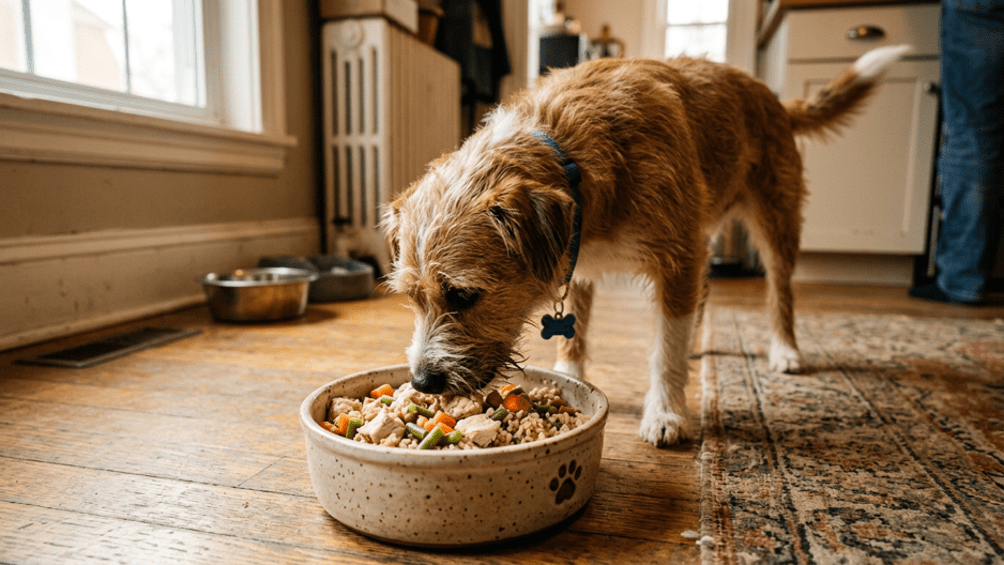
Gently cooked food is prepared much the way you would cook a fresh meal for your own family. Human-grade meats, organs, vegetables, and superfoods are diced to keep their natural texture, then cooked in a human-grade kitchen at low temperatures, usually between 75 and 90 degrees Celsius, for a short time. That heat is just enough to safely kill harmful pathogens while keeping the goodness of the ingredients intact. The food is then cooled, portioned, and snap-frozen to lock in nutrients naturally, without artificial preservatives.
Why it beats kibble: Traditional dry kibble goes through high-heat extrusion, often above 150 degrees, which damages delicate amino acids and natural vitamins. That is why so many synthetic vitamins have to be sprayed back on afterwards. High-heat processing also creates inflammatory by-products such as acrylamides and Advanced Glycation End-products (AGEs), which are compounds linked to inflammation and chronic disease. A gentle cook at 90 degrees avoids these almost entirely. Kibble also needs a heavy starch load, often more than half its content as carbohydrate, just to hold its shape. Gently cooked food keeps carbohydrates low and adds natural moisture that helps prevent the chronic dehydration we see in dry-fed pets.
Pros: Highly palatable, even for fussy eaters. As a gently cooked feeder myself, I can vouch for this. It is very easy on sensitive stomachs, carries no pathogen risk, and is full of natural moisture.
Cons: More expensive than kibble, needs freezing or refrigeration, and lacks the live enzymes and raw bone benefits of raw feeding.
Where to source it in Melbourne: Gently cooked food is usually ordered online and delivered frozen, then thawed and served to the company’s feeding guide. A few I recommend from personal experience and from client feedback:
- Lyka and 5 Hounds are fresh-cooked delivery services covering greater Melbourne. We work closely with Lyka, my own dogs eat it, and I am very happy with the quality. Several of my clients feed 5 Hounds with similar results.
- LilFood is handcrafted and lightly cooked in a commercial kitchen in Brunswick, using human-grade, locally sourced ingredients.
There are other good companies out there. Have a chat with them, set up a profile, and see what it will cost for your pet. If you stick with the first two above, you will not go wrong.
2. What is commercial raw dog food?
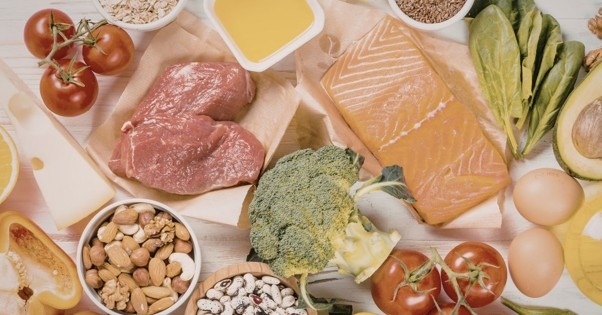
Commercial raw feeding uses 100 percent uncooked, unpasteurised ingredients, built on the principles of the Raw Feeding Veterinary Society and the BARF (Biologically Appropriate Raw Food) framework pioneered by Dr Ian Billinghurst. Rather than a random mix of raw meats, a complete raw diet follows a precise evolutionary balance:
- Skeletal muscle meat (around 70%): the engine of the diet, providing protein, amino acids, moisture, and water-soluble vitamins.
- Raw edible bones (around 10%): soft, non-weight-bearing bones that supply calcium, phosphorus, and trace minerals in the right natural ratio.
- Organ meats (around 10%): split evenly between liver and other secreting organs like kidney or spleen. Organs are nature’s multivitamin, packed with Vitamin A, copper, iron, and B vitamins that muscle meat lacks.
- Fruit, vegetables, herbs (around 10%): finely pureed or fermented plant matter such as leafy greens, blueberries, or turmeric. These deliver antioxidants and prebiotic fibre that feed the gut.
- Fish oils and supplements: added to supply Omega-3 fatty acids and balance the Omega-6 naturally found in farmed meat.
Getting a home recipe to balance perfectly is genuinely challenging, which is why sourcing from a good commercial supplier is the safer starting point, especially for critical life stages like large-breed puppies.
Why it beats kibble: Kibble is stripped of live nutrition during high-heat manufacturing, leaving a starch-heavy product that can spike insulin and drive inflammation. Raw food keeps its natural enzymes and beneficial bacteria intact, and its high moisture content, roughly 70 percent, helps protect the kidneys and urinary tract.
Pros: Excellent nutrient availability, small firm stools, naturally clean teeth, efficient weight management, and a strong defence against inflammatory skin allergies. As with gently cooked food, I have seen raw transitions resolve vomiting and diarrhoea, ease allergies, and get pets genuinely excited about mealtimes.
Cons: Needs freezer space. Some dogs and cats will not take to raw straight away, so speak to us and we can help you transition them. Raw food can carry bacteria that pose a small risk to people, so safe handling matters, though dogs and cats generally cope with these bacteria well. There is also a small risk of dental damage from bones.
Where to source it in Melbourne:
- Raw and Fresh: I tried this personally for my greyhounds. They would not eat it raw, so we gently slow-cooked it, and the quality and palatability were excellent. Available online as a one-off or subscription, delivered frozen.
- The Saltiest Dog: a local Melbourne operation providing human-grade, balanced raw formulas delivered to your door.
- Proudi and Big Dog BARF: pre-formed frozen raw patties widely stocked across independent Melbourne pet stores, including My Pet Warehouse and Petbarn.
3. Is home-cooked or home-prepared dog food safe?
Home-prepared meals, whether raw or gently cooked, can be safe and excellent, but only when the recipe is properly balanced. Preparing food yourself gives you total control over where every ingredient comes from. The catch is that building a complete, balanced diet at home is much harder than it looks.
The real danger of DIY: This is the most important warning in this article. Buying plain mince from the supermarket and feeding your dog or cat only that will cause serious, and eventually irreversible, nutritional deficiencies. Plain muscle meat is badly short on essential vitamins, trace minerals, iodine, and the correct calcium-to-phosphorus ratio your pet needs to keep their bones and organs healthy.
The golden rule: Because the risks of an unbalanced fresh diet are so high, always use a mathematically validated recipe from a certified veterinary nutritionist or a vet trained in fresh food formulation. Tools like the Animal Diet Formulator software exist precisely to close these nutritional gaps. I have completed training in natural nutrition and in using this software, so if you would like to cook for your dog or cat, I can help you build a recipe that is safe for the long term.
Pros: Total transparency over ingredients, fully customisable for complex medical needs, cost-effective if you buy in bulk, and a lovely way to bond with your pet.
Cons: It takes real time to prep, carries a genuine risk of imbalance without a sound recipe, and needs ongoing supplementation.
Where to source it in Melbourne: Buy fresh, ethically raised, human-grade proteins from local providers, then balance them with a validated vitamin and mineral supplement such as VNG Pets, Smart Barf, or Bestie Kitchen to secure baseline safety.
4. What is freeze-dried raw dog food?
Freeze-dried raw is raw food with the moisture gently removed under low temperature and vacuum, rather than heat. The result is a light, shelf-stable food that keeps most of the nutritional benefits of raw, without the freezer. You simply add warm water to rehydrate it before serving. It is the most convenient way to feed raw, which makes it popular for travel, boarding, and topping other meals.
Why it beats kibble: Because freeze-drying uses cold rather than high heat, it avoids the amino acid damage and the inflammatory by-products, like acrylamides and AGEs, created during kibble extrusion. It keeps raw food’s natural enzymes and high protein quality, and once rehydrated it restores the moisture that dry kibble lacks.
Pros: Shelf-stable and easy to store, no freezer needed, light and convenient for travel, and a lower pathogen-handling burden than fresh raw. It is a great option for owners who want the benefits of raw with less fuss.
Cons: It is one of the more expensive options per meal. You must add water, so it is not truly “just add bowl,” and quality varies between brands, so choosing a complete and balanced formula matters.
Where to source it in Melbourne: Freeze-dried raw is sold online and stocked in many independent pet stores across Victoria. Reputable options to look at include Frontier Pets (an Australian freeze-dried raw brand), K9 Natural and Feline Natural, and Prime100. [Dr Kunal to confirm these or swap in the brands you personally recommend.] As with home-prepared diets, check the label for a complete and balanced formula, and talk to us if you are unsure which suits your pet.

You don’t have to do it all: even a little fresh food helps
The methods above are what I would consider the gold standard for feeding your dog or cat. But please do not feel you have to do everything perfectly. If you cannot fully switch to gently cooked, raw, or home-cooked food right now, for whatever reason, do not despair and do not judge yourself. Simply do what you can.
Replace whatever amount of kibble, processed, or canned food you can with the options above, and know your pet is better off for it. The DogRisk research programme at the University of Helsinki has found that replacing even a modest share of a pet’s high-heat kibble, on the order of 20 percent, with fresh, raw, or lightly cooked whole food can meaningfully reduce markers of inflammation and lower the risk of chronic illness later in life.
A simple place to start: swap processed treats like commercial jerky sticks for something natural, such as chicken wing tips, chicken winglets, or chicken necks. Even that small change is a step in the right direction. (Please read our guide to feeding bones safely first, so you understand the risks.)
Let’s start the discussion: nutrition help at Lynbrook Vet
Making the switch from dry food to fresh, living nutrition can feel like a leap of faith, but you do not have to do it alone. I am available for personalised nutrition consultations across both Lynbrook Vet and Berwick Clyde Vet. Having trained specifically in fresh food formulation, I can help you build a balanced, safe fresh diet tailored to your dog or cat.
I know that moving toward fresh, raw, or gently cooked feeding is different from what many clinics suggest right now. But the clinical research is there, the biology is clear, and honestly, it just makes sense. You do not have to change everything at once. Try adding some fresh food to your pet’s routine, watch how they respond, and see the difference for yourself.
Wherever you choose to start on the fresh food spectrum, we are here to support you. Give us a call or book a nutrition consultation at Lynbrook Vet or Berwick Clyde Vet, and let’s give your best friend the vibrant, long life they deserve.
Frequently Asked Questions
(Implement FAQPage schema on publication)
What can I feed my dog instead of kibble?
The four best kibble alternatives are gently cooked food, commercial raw, balanced home-cooked or raw meals, and freeze-dried raw. Each keeps more natural nutrients and moisture than dry food. You can feed one method or combine them, and even replacing part of the kibble with fresh food benefits your dog’s health.
Is raw food safe for dogs and cats?
Raw feeding has real benefits and real responsibilities. A complete, balanced commercial raw diet supports excellent nutrition, clean teeth, and healthy weight. Raw food can carry bacteria, so safe handling and storage matter, though dogs and cats generally tolerate these bacteria well. Speak to your vet before starting, especially for puppies or unwell pets.
Do I have to stop feeding kibble completely?
No. You do not need to remove kibble overnight. Nutrition is not all-or-nothing. Replacing even around 20 percent of kibble with fresh, gently cooked, or raw food can reduce inflammation and lower disease risk. Do what fits your budget and lifestyle, and increase the fresh portion over time as you are able.
Is it cheaper to make my own dog food at home?
Home-prepared food can be cost-effective if you buy in bulk, but it must follow a properly balanced recipe. Feeding plain supermarket mince alone causes serious nutritional deficiencies over time. The safest approach is to build your meals around a complete balancer supplement made for home-fed dogs, such as VNG Pets Complete, Balance IT, Smart Barf, or Wellbeing Essentials Complete, which supply the vitamins, minerals, and calcium balance that plain meat leaves out. Whichever you choose, always have the recipe checked by a vet trained in nutrition first, so you know the finished diet is complete and balanced for your dog.
What is the easiest fresh food option for a busy owner?
Gently cooked delivery services and freeze-dried raw are the most convenient fresh options. Gently cooked meals arrive pre-portioned and frozen, ready to thaw and serve. Freeze-dried raw is shelf-stable and only needs water added. Both remove the guesswork of balancing a diet yourself while still giving your pet fresh, whole-food nutrition.