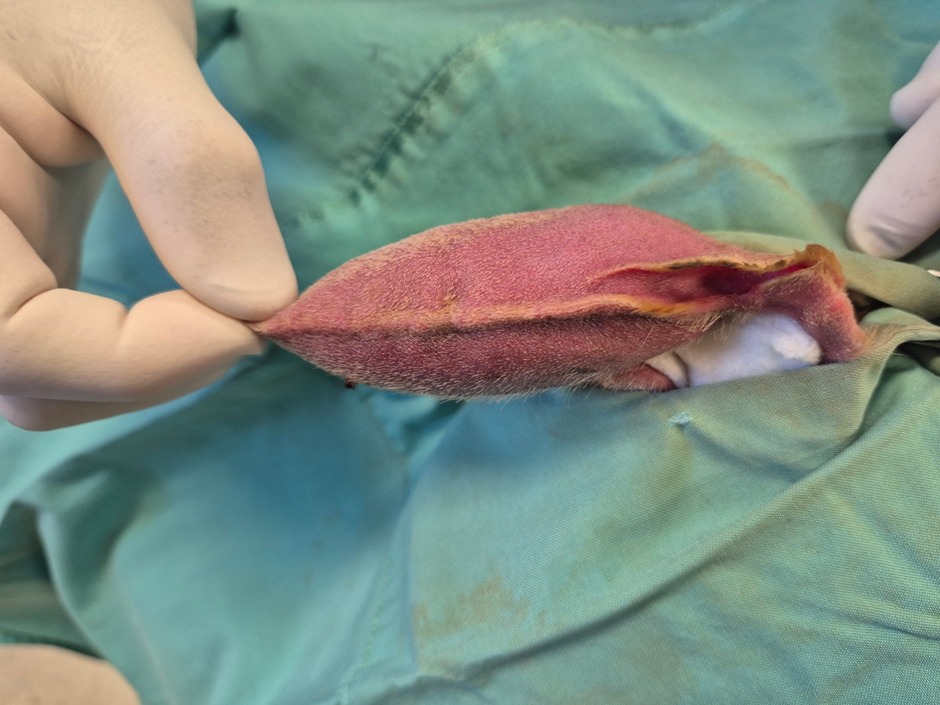

Flystrike, also known as myiasis, is a distressing and potentially fatal condition that affects rabbits, particularly during the warmer months. Understanding flystrike, its causes, symptoms, prevention, and treatment can help rabbit owners in Melbourne care for their pets’ health and well-being.
What is Flystrike?
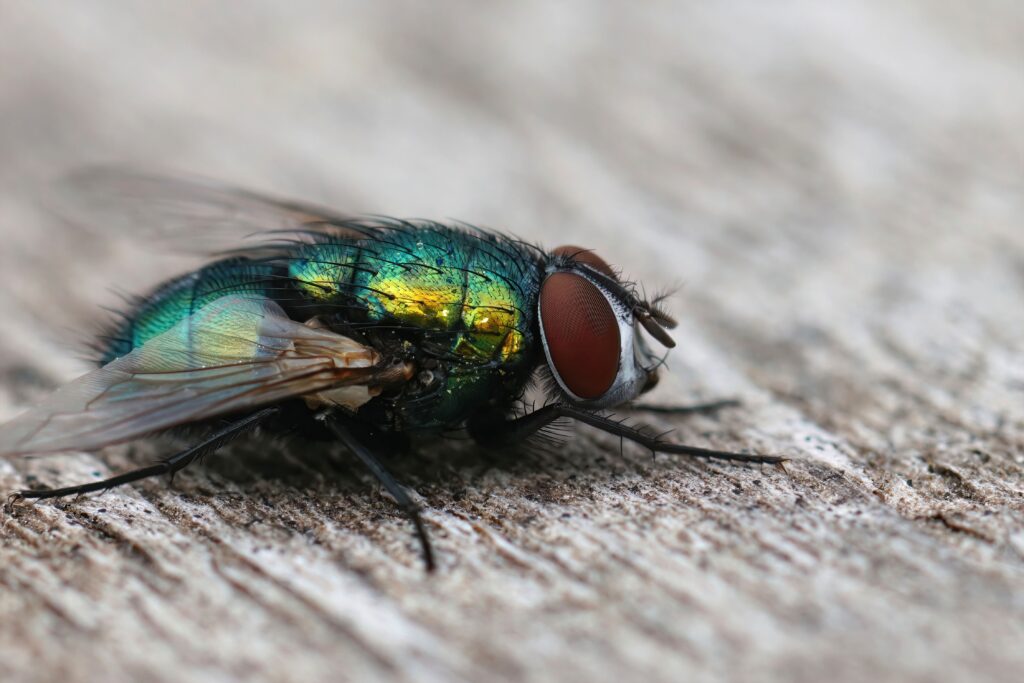
Flystrike occurs when flies, attracted to damp or soiled areas on a rabbit’s body, lay their eggs on the rabbit’s skin. The eggs hatch into larvae, or maggots, which then burrow into the rabbit’s flesh. This can cause pain, infection, and rapid deterioration in your rabbit’s condition.
The common species responsible for this in Australia is the blowfly (Lucilia cuprina), which thrives in warm and humid environments.
How do Rabbits Develop Flystrike?
Rabbits can develop flystrike when certain conditions make them more susceptible to fly infestations. Such as:
- Poor Hygiene: Rabbits with soiled fur, particularly around the hindquarters, are prime targets for flies. This soiling can result from diarrhoea, urinary incontinence, or an inability to groom due to obesity, arthritis, or dental problems.
- Environmental Factors: Warm and humid weather, common in Melbourne’s summer months, creates an ideal breeding ground for flies. Dirty living environments, including soiled bedding and uneaten food, also attract flies.
- Underlying Health Issues: Health problems that lead to a dirty or damp coat, such as gastrointestinal issues, dental disease, or skin infections, increase the risk of flystrike. Additionally, older rabbits or those with mobility issues are less able to groom themselves adequately.
- Wounds or Skin Lesions: Open wounds, skin infections, or areas of broken skin are inviting sites for flies to lay their eggs.

The Symptoms of Flystrike in Rabbits
Early detection of flystrike is crucial for effective treatment. As a rabbit owner, keep an eye out for:
- Restlessness and Discomfort: Affected rabbits may show signs of agitation, such as restlessness, biting at the hindquarters, or frequently looking at the affected area.
- Maggots: Maggots may be visible on the rabbit’s skin, particularly around the rear end or any wounds.
- Bad smell: An unpleasant smell may emanate from the rabbit due to the infection.
- Loss of Appetite and Lethargy: A rabbit with flystrike may lose interest in food and become lethargic.
- Inflammation and Skin Damage: The skin around the affected area may be red, swollen, and damaged.
Preventing Flystrike in Rabbits
Prevention is the most effective way to protect your rabbit from flystrike. Here are some preventive measures:
- Good Hygiene: Regularly check and clean your rabbit’s living area. This is essential for all areas of rabbit-care, but it’s worth reminding.
- Grooming: Groom your rabbit to keep their fur clean and free of mats. Pay special attention to the hindquarters.
- Monitor them for signs of illness or discomfort. Ensure a healthy weight and consult your vet for regular health check-ups.
- Fly Control: Use fly screens in your rabbit’s living area to reduce the number of flies. Fly traps and repellents can also help.
- Environmental Management: During the warmer months, consider moving your rabbit to a cooler indoor area to reduce the risk of flies.
Treatment of Flystrike in Rabbits
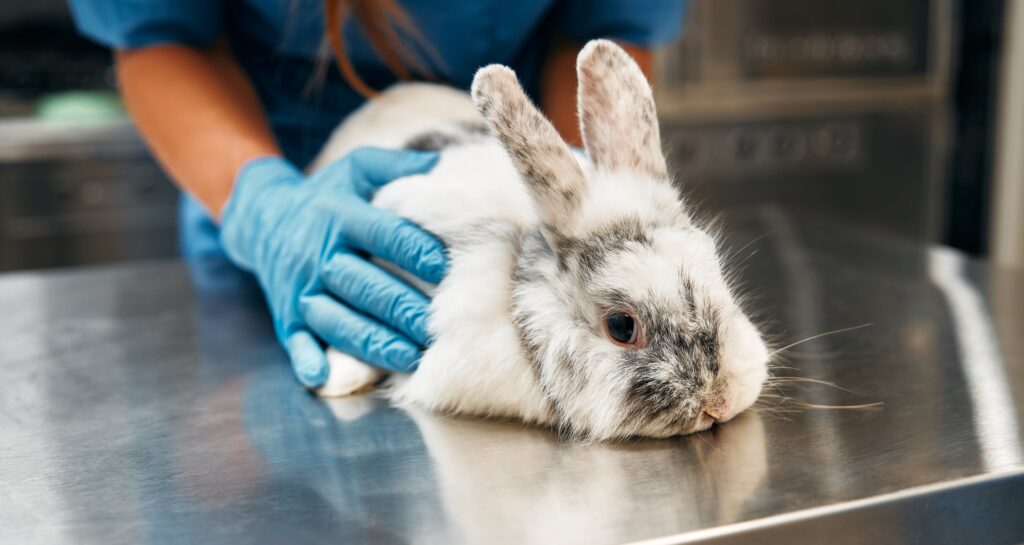
If you suspect your rabbit has flystrike, immediate veterinary attention is essential. A vet will thoroughly examine your rabbit to assess the extent of the infestation and any underlying health issues. They will remove any visible maggots from your rabbit’s skin–this process may involve clipping the fur and cleaning the affected area. The affected area will be cleaned and treated with antiseptics to prevent infection, and, in severe cases, the rabbit may need antibiotics to combat systemic infection.
Afterwards, your rabbit may require pain relief, fluid therapy, and nutritional support, especially if weak or dehydrated.
The vet will provide instructions for ongoing care at home, including keeping the wound clean and monitoring for any signs of further infection.

Flystrike is a serious condition that can rapidly become life-threatening for rabbits. Knowing the causes, signs, prevention, and treatment of flystrike, rabbit owners in Melbourne can take proactive steps to protect their bunnies.
Regular hygiene practices, health monitoring, and veterinary care are key to ensuring your rabbit’s well-being.
If you have any concerns about your rabbit’s health or need advice on flystrike prevention, please contact our clinic. Our team is here to provide expert rabbit care and support for you and your furry friend.