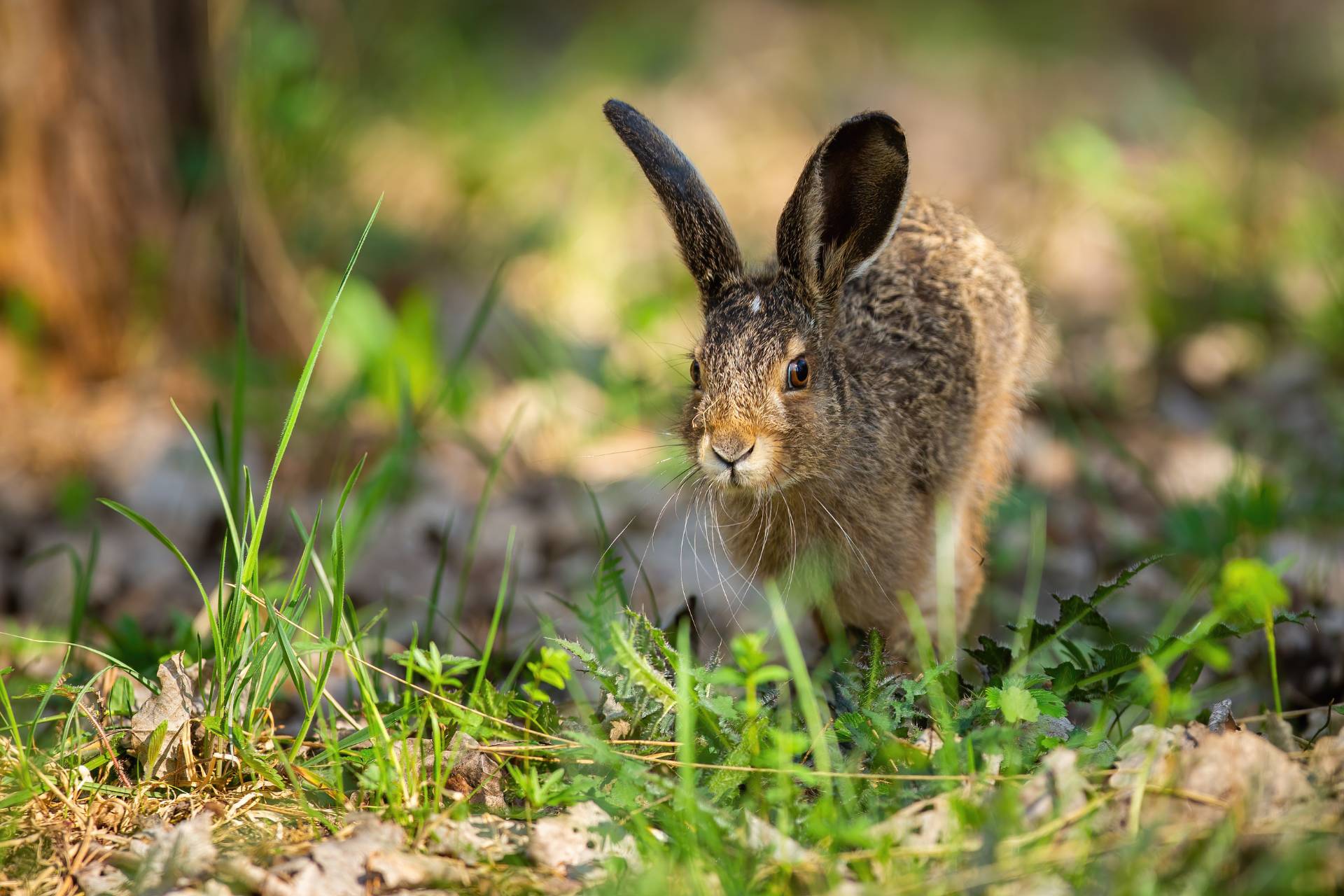
Watching wild rabbits hop along through local fields or in your backyard might make you wonder if you could catch and keep one as a pet. As lovers of small animals, we understand the allure of saving one of these bunnies as a companion. But you should know the legal and ethical implications, as well as the practicality of keeping a wild rabbit as a pet.
Read on to find out more on the trapping laws in Victoria, the legality of keeping wild rabbits, and whether wild rabbits make suitable pets.
Trapping Laws in Victoria
In Victoria, trapping wild animals is regulated in order to protect wildlife and ensure their humane treatment. Throughout Australia, wild rabbits are considered pests due to their impact on agriculture and native ecosystems. Any interactions you have with them, must remain within the law.
Under the Catchment and Land Protection Act (1994), European rabbits are classified as pest animals. This means that landowners and public authorities must take reasonable steps to manage their populations and prevent further spread.
Here are key points to consider about trapping wild rabbits:
- Humane Treatment: The Prevention of Cruelty to Animals Act (1986) ensures that all animals, including pest species, are treated humanely. This means that if you decide to trap a wild rabbit, this needs to be done in a way which will not harm it.
- Permissions and Permits: Trapping wild animals on public land typically requires permits from local authorities or relevant government departments. On private land, while permits might not be necessary, landowners must still adhere to humane trapping guidelines.
- Wildlife Conservation Regulations: Trapping must comply with the welfare requirements of the Prevention of Cruelty to Animals Act 1986. While the Wildlife Act 1975 doesn’t directly cover introduced pest species like European rabbits, any trapping must avoid harm to native wildlife that may be inadvertently caught (such as native rats or marsupials).
Can You Keep a Wild Rabbit as a Pet in Victoria?
Although they may be cute and fluffy, the idea of keeping a wild rabbit as a pet is more complicated. Here’s what you need to know:
- Legal Restrictions: In Victoria you can keep domestic rabbits as pets, however keeping a wild rabbit as a pet is illegal. Wild rabbits are subject to wildlife protection laws and, due to their classification as pests, specific rules limit our abilities to keep them as fluffy friends.
- Health Risks: Wild rabbits can carry diseases and parasites that can affect both humans and other pets. Diseases such as myxomatosis and rabbit haemorrhagic disease (RHD) are prevalent among wild populations. Handling and keeping a wild rabbit increases the risk of these diseases spreading.
- Adaptability and Behaviour: Wild rabbits are not accustomed to human interaction and are naturally wary of us. Wild rabbits have strong survival instincts that make them difficult to handle and care for. So, they don’t adapt well to captivity.
- Ethical Considerations: Capturing a wild animal and confining it to a domestic environment can be very stressful for them. Wild animals thrive best in their natural habitats, where they have space and resources to exhibit their natural behaviours.
Do Wild Rabbits Make Suitable Pets?
Some factors to consider:
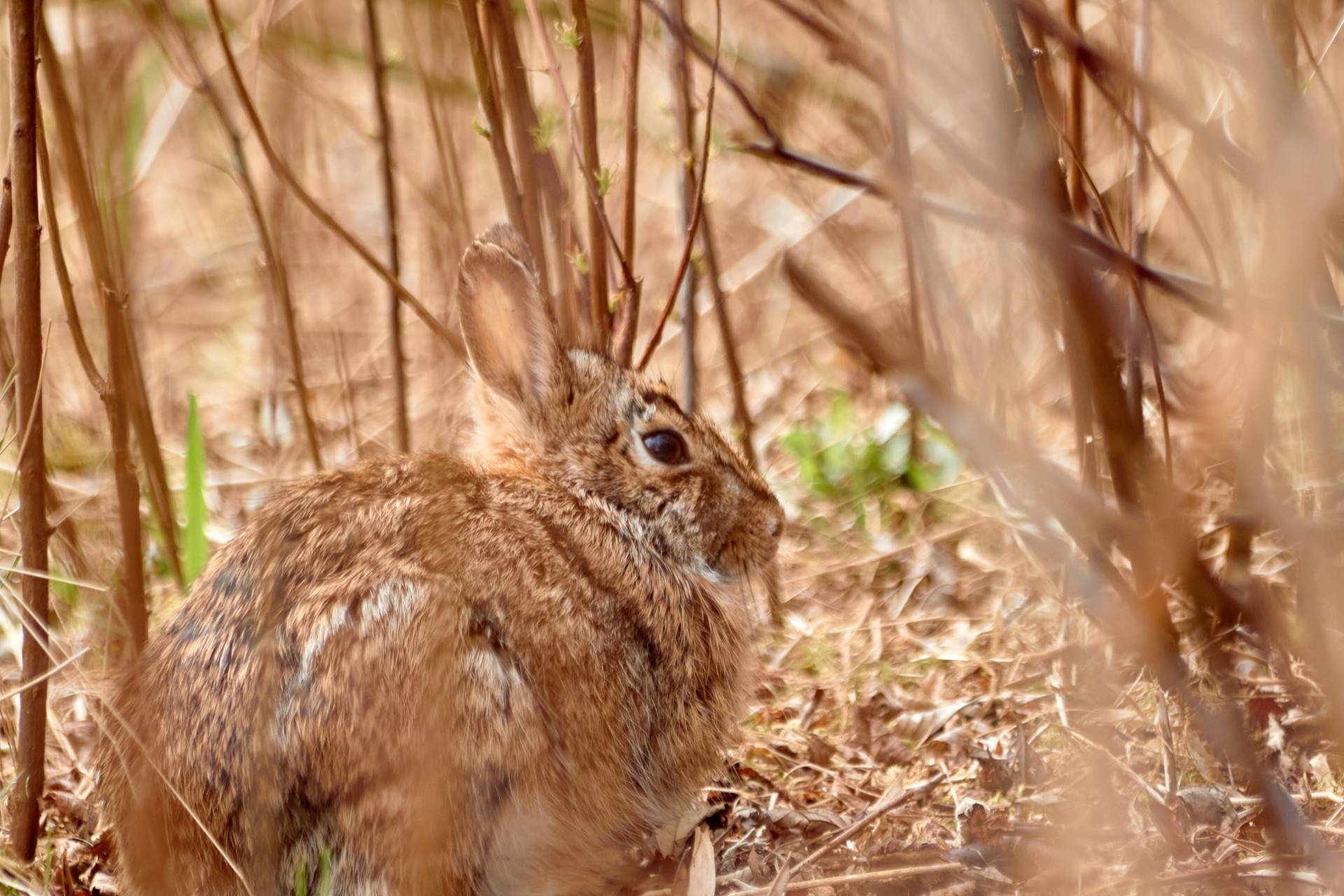
- Behavioural Differences: Domesticated rabbits have been bred over generations to be more docile and sociable, whereas wild rabbits, are just that – wild! They have not been domesticated and are not used to people. They are naturally skittish and may exhibit stress and fear when confined. This makes them challenging to bond with and care for as pets.
- Habitat Needs: Wild rabbits are accustomed to vast outdoor environments where they can forage, dig, and socialise. Replicating such an environment in a domestic setting is nearly impossible. Domestic homes and backyards do not provide the same level of stimulation and space.
- Conservation Impact: Removing wild rabbits from their natural habitat can disrupt local ecosystems. Wild rabbits play a role in their environment, and their removal can have unforeseen consequences on other wildlife and plant species.
Alternatives to Keeping a Wild Rabbit
If you’re set on having a rabbit as a pet, consider adopting a domesticated rabbit from a shelter or a reputable breeder. Domesticated rabbits are more accustomed to human interaction and are easier to care for. They also come in various breeds, each with unique characteristics that might suit your lifestyle.
Adopting from a shelter not only gives a rabbit a second chance at a happy life but also helps manage the domestic rabbit population. Shelters often have rabbits that are already socialised and have received all their necessary veterinary care, making the transition to your home smoother for you and your new furbaby.
Conclusion
While the thought of keeping a wild rabbit as a pet might be appealing, it is not the right thing to do given the legal, ethical, and practical challenges. Wild rabbits are best left in their natural habitats where they can thrive. For those seeking the companionship of a rabbit, adopting a domesticated rabbit is a far better option. It ensures you comply with local laws, provide a suitable living environment, and contribute positively to animal welfare. Please consult with local authorities and wildlife experts before making any decisions involving wild animals.
If you’re interested in adopting a rabbit, or looking for excellent veterinary care for your pet rabbit, please get in touch with our team.