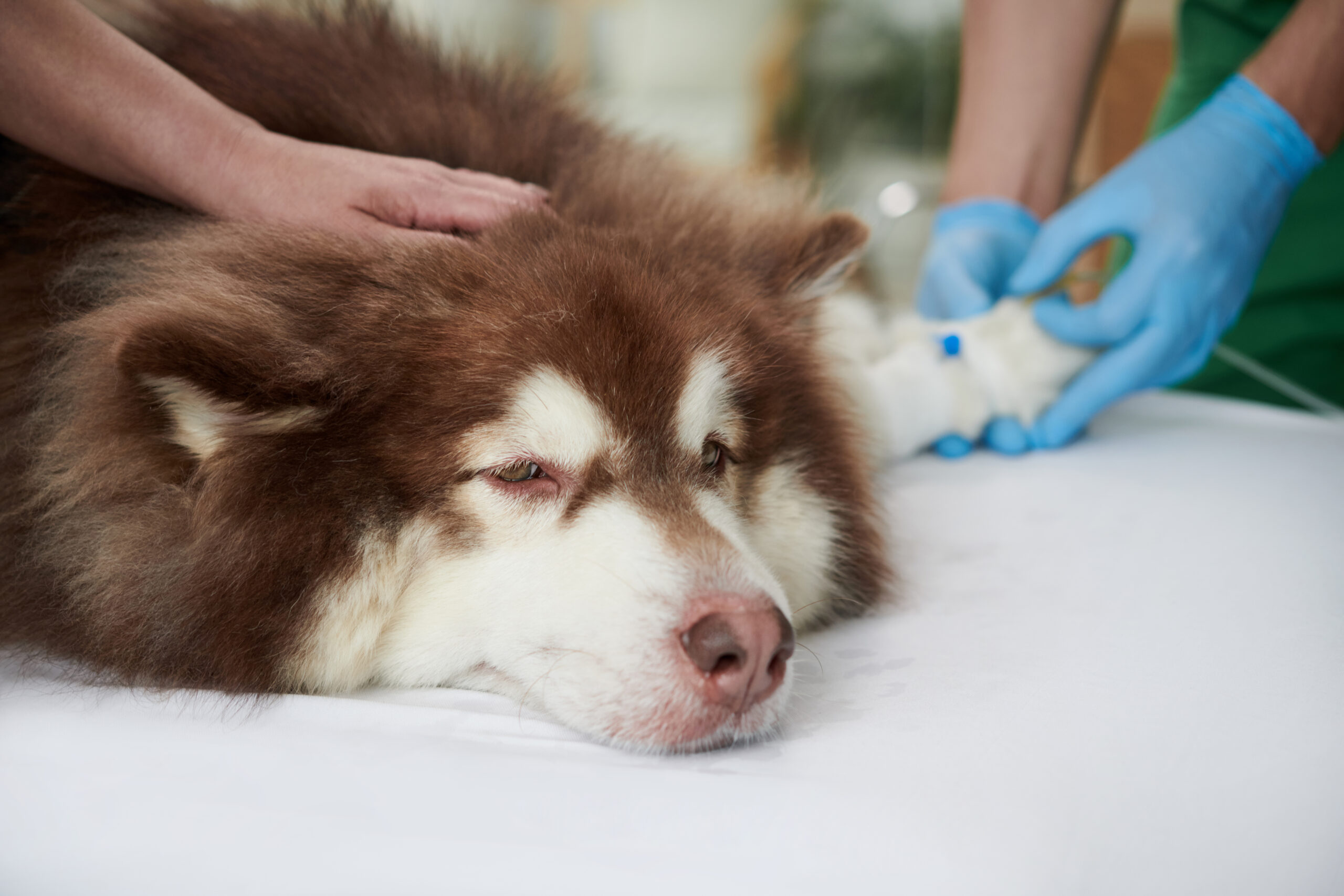
Addison’s disease, or Hypoadrenocorticism, is a condition in dogs where adrenal glands fail to produce adequate steroidal hormones, especially cortisol and aldosterone. These two hormones are critical in maintaining electrolyte balance, metabolism and stress response in the body. It can occur in dogs of any age, breed, or sex, but it’s uncommon–we certainly don’t see too much of it at our clinic.
The Causes of Addison’s Disease:
- The most common cause of Addison’s is autoimmune destruction of the adrenal glands. Secondary Addison’s is caused by reduced hormonal secretion from the pituitary gland, which is located in the brain.
- Overtreatment of Cushing disease
- Trauma, infections or tumours affecting the adrenal glands.
- Genetic predisposition: Some breeds like Poodles, Great Danes, Bearded collies, West Highland white terriers, and Portuguese water dogs are more commonly affected.
Addison's Disease Symptoms
- Tiredness or weakness, or collapse.
- Vomiting and Diarrhoea can be intermittent signs
- Weight loss
- Loss of appetite
- Increase in drinking and urination.
Diagnosing Addison's Disease
At our vet clinic, we start by taking a history, checking clinical signs and performing a physical examination. We will perform a baseline blood test to check any changes in liver, kidney and some electrolyte parameters. We may also perform a full urine test to check the concentration of urine and to rule out any infection. We will also perform Baseline cortisol testing and ACTH stimulation test for definitive diagnosis of Addison’s disease.
Treating Addison's
Treatment will depend on the presentation of the patient. Some dogs may present in Addisonian crisis, which will need intensive IV fluids and electrolytes.
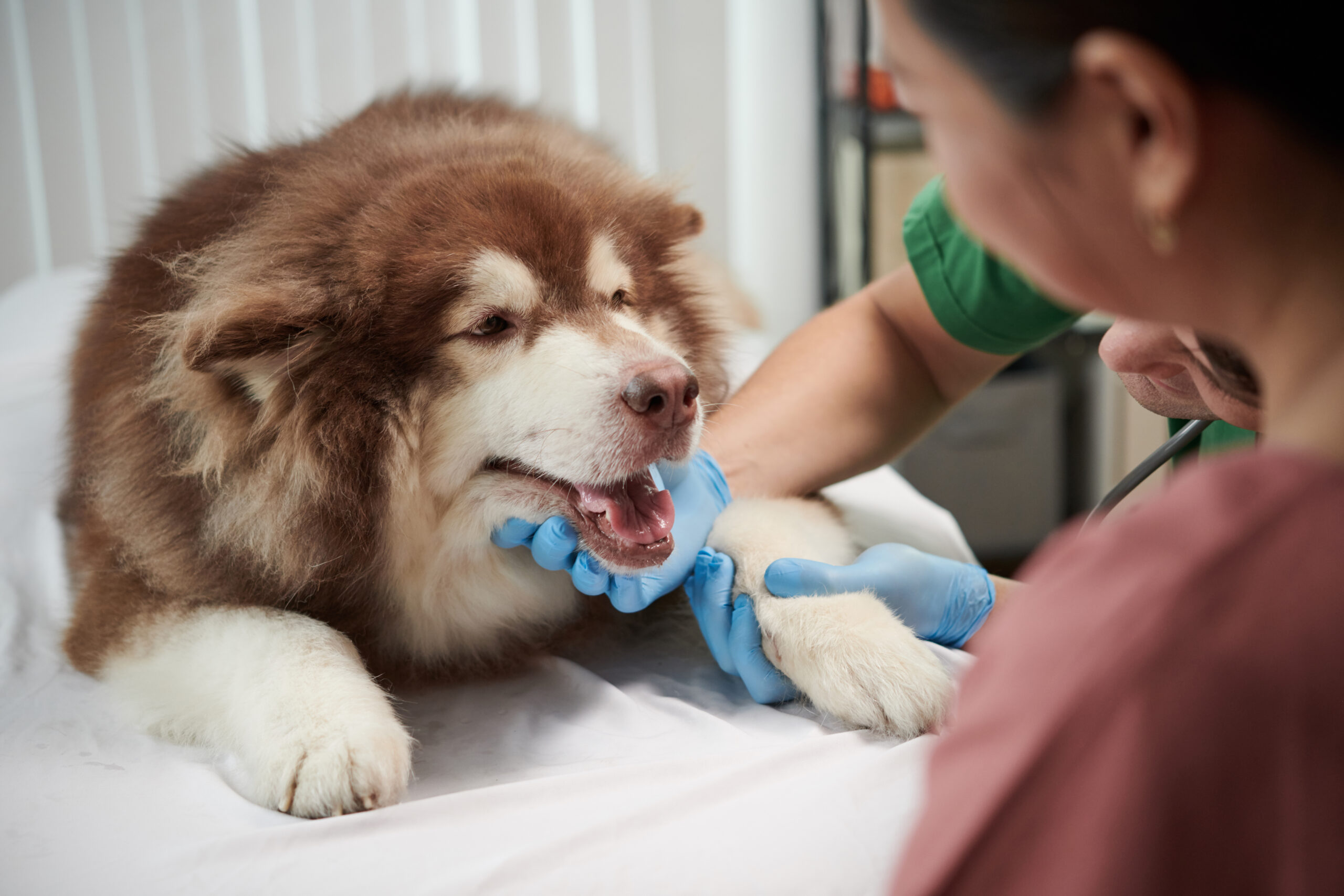
As a pet owner, here’s what an Addisonian crisis looks like (what to look out for):
1. Extreme Weakness or Collapse
- The dog may appear lethargic, unable to stand, or suddenly collapse.
- Episodes may be mistaken for fainting or seizures.
2. Vomiting and/or Diarrhoea
- Often severe and may be accompanied by blood.
- Can occur without any known trigger (e.g., no change in food or diet).
3. Shaking or Trembling
- The dog may tremble as if cold or anxious.
- Muscle tremors can be visible in the legs or jaw.
4. Pale Gums
- Gums may be white or very pale pink—indicating poor circulation.
- Capillary refill time (pressing on the gums) is delayed.
5. Cold Extremities / Low Body Temperature
- Ears, paws, and nose may feel cool to the touch.
- The dog may seem cold or shiver despite a normal room temperature.
6. Slow or Irregular Heart Rate
- Unlike most shock cases (where the heart races), Addisonian crisis can cause a slow heart rate (bradycardia).
- This may be noticed as unusual calmness or sluggishness.
7. Dehydration Signs
- Sunken eyes
- Dry nose and gums
- Skin “tenting” when pinched (slow to return)
8. Confusion or Disorientation
- The dog may seem confused, stumble, or not respond to commands.
- May appear dazed or “not themselves.”
Here is a video of a dog in Addisonian Crisis:
If you’re noticing any of these symptoms in your dog — even if they seem to come and go — it’s worth having a vet check things over. Addison’s can quietly disrupt the body’s salt, water and hormone balance, and dogs often need a little help getting everything back on track. Your vet can run the right tests and, if needed, provide supportive care to stabilise your dog before moving on to long-term treatment.
Once stable, the treatment will involve supplementation of lacking hormones, which involves steroid tablets like prednisolone every day or every other day, which helps replace the cortisol that the body isn’t making. Your pet may need mineralocorticoids as well, which can be a monthly injection or daily oral tablets to help balance the electrolytes in the body.
You will need to visit your vet for a check-up and blood testing every few months to make sure the medication is working and adjust doses if needed.
With proper care and consistent medication, most dogs with Addison’s disease can live a normal, happy life!