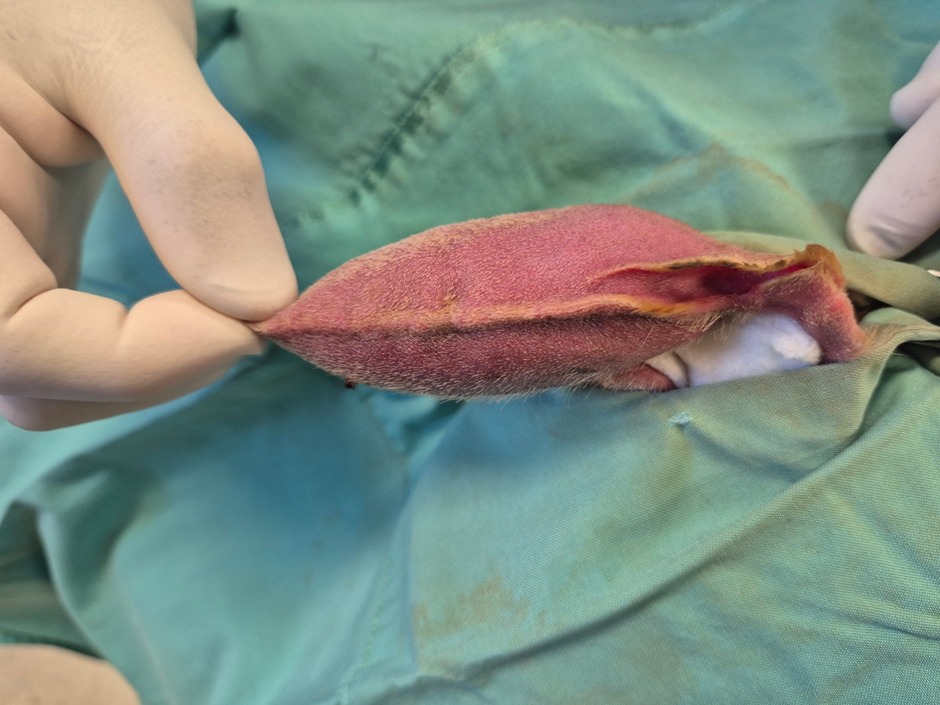

Ear infections are one of the most common — and sometimes frustrating — health issues faced by our beloved pets. These infections, though treatable, can cause significant discomfort if not addressed promptly.
We’ve asked our vets to explain everything you need to know about ear infections. If there’s anything we’ve missed, or if you’d like to learn more, please don’t hesitate to get in touch with our team.
Now, let’s explore the causes of ear infections in our furry family members, how the ear canal works, signs of infection, and the steps for effective treatment and prevention.

What Causes Ear Infections in Dogs and Cats?
Ear infections are typically caused by bacteria, yeast, or parasites that invade the ear canal. Several factors may contribute.
The ear canal in both dogs and cats is long and L-shaped, which can trap moisture, debris, and wax. Such an environment creates ideal conditions for infection to develop, especially when predisposing factors are present:
- Allergies: Allergies can cause inflammation and itching in the ear canal. When your pet scratches, the delicate skin barrier can break, creating a perfect environment for bacteria or yeast to grow. Food allergies or environmental triggers like pollen, grass, dust mites, or mould can all contribute. Because of these allergens, ear infections tend to be more common during the warmer spring and summer months.
- Moisture and Humidity: Pets that swim frequently or live in damp, humid environments are at higher risk. Trapped moisture in the ear canal provides an excellent breeding ground for bacteria and yeast.
- Ear Structure and Shape: Pets with narrow or folded ear canals may be more prone to infections due to reduced airflow and the trapping of debris or moisture. Dogs that have had repeated infections can also develop thickened skin or scar tissue around the ear canal, further increasing their risk.
- Parasites: Ear mites, particularly in cats, can lead to irritation and itching, often followed by secondary bacterial or yeast infections.
- Foreign Objects and Poor Grooming: Grass seeds, dirt, or excess earwax can block the ear canal, increasing the likelihood of infection. Breeds with floppy ears, such as Cocker Spaniels and Basset Hounds, are particularly prone due to reduced airflow.
- Other Underlying Conditions: Hormonal disorders such as hypothyroidism or diabetes, or immune-related diseases, can make pets more susceptible to recurring ear infections.

The Ear Canal: An Extension of the Skin
The ear canal isn’t just vital for hearing — it’s also an extension of the skin, meaning it shares similar protective mechanisms. The skin lining the canal helps defend against bacteria and yeast by producing cerumen (earwax), which traps dust and debris.
However, when the skin becomes inflamed — from infection, allergies, or moisture — it loses its natural ability to protect against pathogens, creating the perfect environment for infection.
Signs Your Pet May Have an Ear Infection
Ear infections can be uncomfortable, so it’s important to recognise the signs early. Common symptoms in dogs and cats include:
- Scratching or pawing at the ears
- Head shaking or tilting
Redness or swelling in the ear canal - Excessive earwax or discharge from one or both ears
- A strong or unpleasant odour coming from the ear
- Pain or sensitivity when touched
- Loss of balance or hearing (in more severe cases)
If you notice any of these signs, book a visit with your veterinarian as soon as possible. Left untreated, ear infections can lead to chronic issues, hearing loss, or deeper infections that require more extensive treatment.
Your vet will likely perform cytology — taking a swab from the ear and examining it under a microscope — to identify the type of infection and determine the most appropriate treatment.

Treatment of Ear Infections
- Topical Medications: Medicated ear drops or ointments to target bacterial or yeast infections.
- Oral Medications: In more severe or inflamed cases, oral anti-inflammatory or antibiotic medications may be prescribed to reduce swelling and discomfort.
- Ear Cleaning: Your vet may clean the ears to remove wax, debris, or discharge that could interfere with healing.
- Treating Underlying Causes: Managing allergies, parasites, or other health problems is often essential to prevent recurrence.
Ongoing Management and Prevention
- Manage Underlying Allergies: If allergies are contributing to infections, your vet can help identify and control them through diet, medication, or environmental adjustments.
- Regular Ear Cleaning: Routine cleaning helps remove wax and debris. Ask your vet to recommend safe ear-cleaning products and demonstrate the best technique.
- Prevent Moisture Build-Up: After baths, swimming, or rainy walks, gently dry your pet’s ears to reduce moisture accumulation.
- Routine Check-Ups: Keep an eye on your pet’s ears at home and schedule regular vet visits. Catching early signs makes treatment faster, easier, and less costly.

Conclusion
Though common, ear infections in pets are both preventable and treatable. By understanding the causes, recognising the symptoms, and maintaining good ear-care habits, you can keep your pet comfortable and healthy.
If you suspect your dog or cat has an ear infection, don’t wait — contact our team to book an appointment and get your pet the care they need.