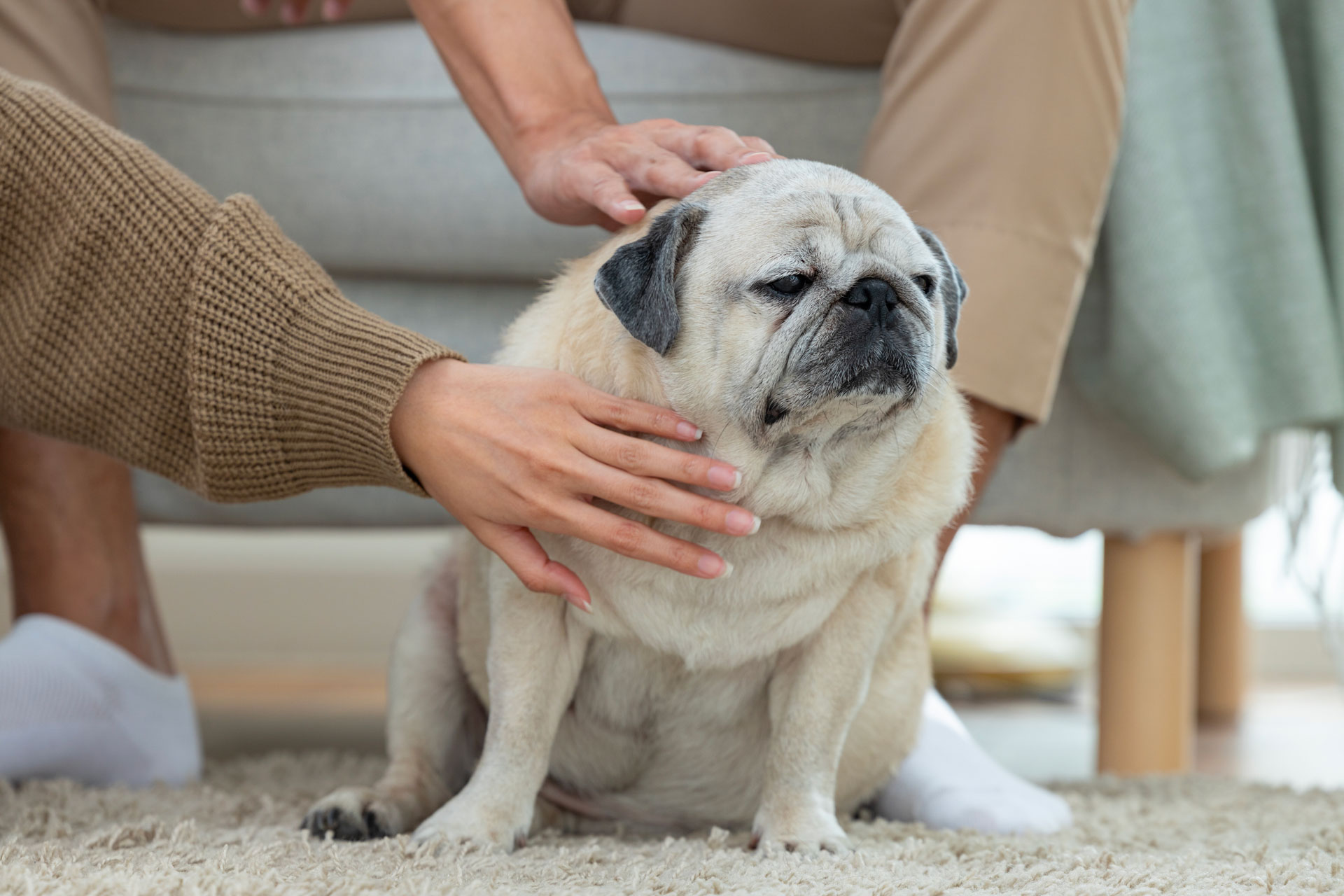
As pet owners, we want nothing but the best for our furry family members. One of the most important aspects of your pet’s well-being is maintaining a healthy weight, as this allows them to live a long and healthy life. Just like in humans, obesity in pets can lead to a number of health problems that can reduce their quality of life.
To make weight management for our furry loved ones even more pressing, there is a surprisingly high number of pets that are carrying around extra weight. In fact, 41% of dogs (1) and 32% (2) of cats in Australia are considered either overweight or obese!
While weight management may not be the most exciting or fun topic to discuss over the dinner table, it is an incredibly important one to ensure all members of the family are on board!
The Impacts of Being Overweight for Pets
Just as obesity can be harmful to humans, it can have serious consequences for cats and dogs. Overweight pets are at risk for several health issues, including:
- Joint Problems: Extra weight puts additional stress on joints, which can lead to arthritis and other mobility issues, as well as predisposing to ligament injury. This is especially concerning for older pets as they may be starting to feel the impact of age-related joint degeneration.
- Heart Disease: Excess weight can strain the heart, leading to cardiovascular disease. This can be particularly dangerous for older pets or those with pre-existing heart conditions.
- Diabetes: Being overweight can predispose your pet to developing diabetes. This condition requires ongoing close management and medication, and can significantly affect your pet’s quality of life.
- Respiratory Problems: Overweight pets often have difficulty breathing, particularly in hot weather or when exerting themselves. This can lead to laboured breathing and reduced activity levels, not to mention less ability to enjoy what life has to offer.
These health concerns can accumulate over time and become more and more difficult to manage as your pet gets older.
Excess weight can greatly reduce our pets’ quality of life and, with all the above-mentioned health issues and risks, obesity causes the greatest concern for a shortened lifespan.
How to Check if Your Dog or Cat Are Overweight
Body Condition Score Your Pet
One of the first steps in assessing whether your pet is overweight is to evaluate their body condition score (BCS). The BCS is a system used by veterinarians to assess the amount of fat on your pet’s body. It typically uses a scale of 1 to 9, with 1 being emaciated and 9 being obese.
How you can assess your pet's body condition:
- Ribs: You should be able to feel your pet’s ribs easily without excessive fat covering and with slight pressure only. If you can’t feel them, your pet may be carrying excess weight.
- Waist: When looking at your pet from above, there should be a noticeable waistline just behind the ribs. If your pet’s belly is protruding, they may be overweight.

- Abdominal Tuck: When viewed from the side, your pet should have a slight upward tuck of their abdomen (just behind the ribcage). A flat or sagging belly may indicate excess fat.

- Overall Shape: While the overall body shape of your pet will depend a lot on their breed, an ideal BCS will typically mean your pet has an hourglass shape, with a narrower waist than chest or hips.
Strategies to Help Your Pet Lose Weight
If you’ve determined that your pet is overweight, it’s time to take action. Here are some strategies to help them shed those extra kilograms and regain a healthier lifestyle:
Portion Control
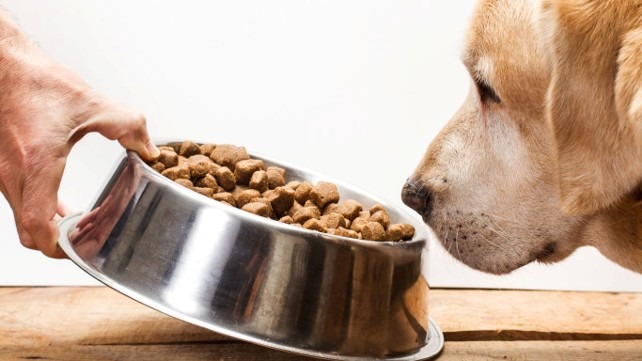
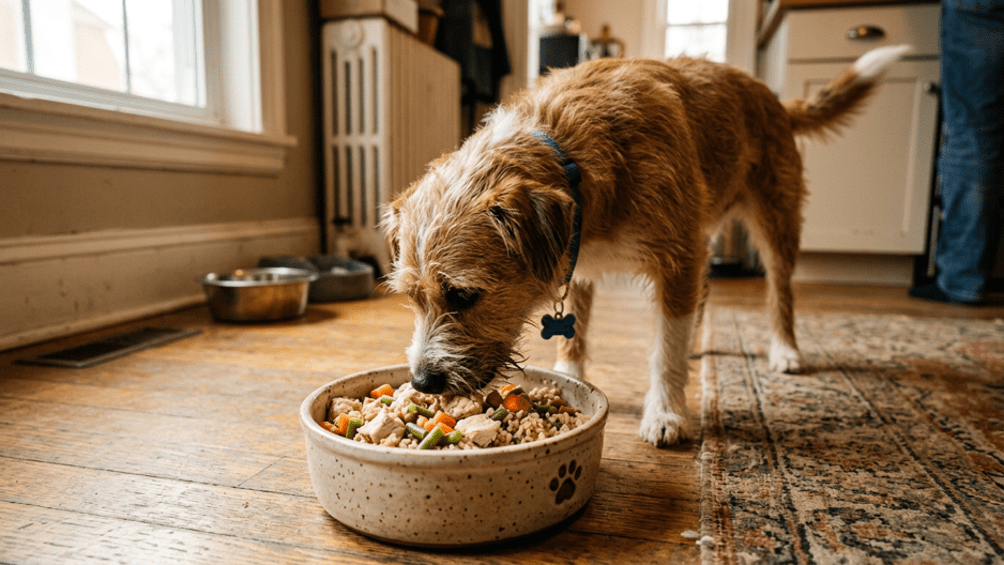
Overfeeding is one of the primary causes of obesity. Follow your veterinarian’s guidelines for the proper portion size based on your pet’s age, breed, and activity level. Avoid free-feeding (leaving food out all day) and measure meals accurately to ensure you provide the right amount. Vegetables are a great low-calorie volume booster that can be added to your pet’s measured kibble allowance to make the meal feel bigger and more sated.
Healthy Diet
Choose a high-quality, nutritionally balanced pet food that supports weight loss. Your veterinarian can recommend specific formulas designed for weight management, which are typically lower in calories but still provide the essential nutrients your pet needs. These diets will often also contain higher amounts of fibre to keep your pet feeling fuller for longer, and aim to not make them feel like they are missing out!
Increased Exercise
Regular physical activity is key to weight loss. Dogs can benefit from daily walks, fetch games, and playtime. For cats, interactive toys like feather wands can encourage more movement. Be mindful to increase exercise gradually, especially if your pet has been inactive for a while. Regular low-impact exercise will also help to keep those joints active and their surrounding muscles strong and supportive.

Healthy Treats
Treats should always be given in moderation, with the goal to never exceed 10% of your pet’s daily calorie intake. Opt for low-calorie treats like baby carrots, apple slices (without seeds), or specially formulated low-calorie weight-loss treats.
Alternatively, a portion of your pet’s pre-measured kibble allocation can be kept aside for treats or snacks throughout the day. Also, ensure to factor in additional treats such as dental chews into your pet’s overall calorie intake.
Regular Weigh-ins
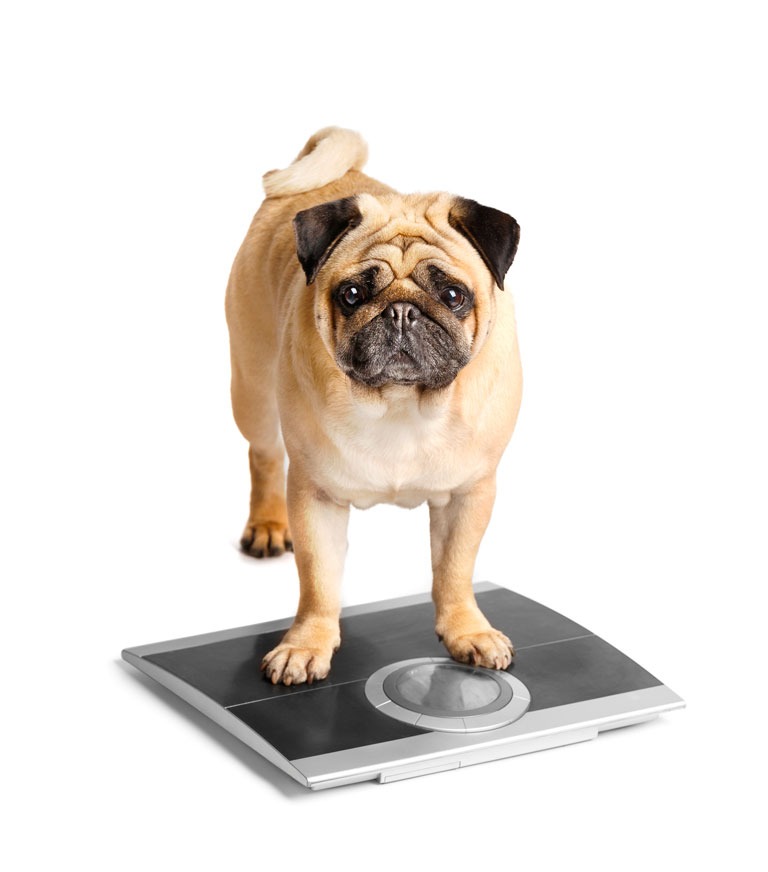
Keep track of your pet’s weight by scheduling regular weigh-ins. This will help you monitor progress and make adjustments to their diet or exercise routine if necessary.
Feel free to bring your dog or cat to our veterinary service and weigh them for free on our scales.
When to Seek Help
If your pet is not losing weight despite your best efforts, or if you’re unsure how to create a weight loss plan tailored to your pet, it’s important to seek professional help. Your veterinarian can offer advice on safe and effective weight management strategies, and rule out any underlying health conditions that could be contributing to weight gain.
Additionally, if your pet is severely overweight or obese, your veterinarian may recommend a supervised weight loss program to ensure it’s done safely. Rapid weight loss can be harmful, especially in cats, so it’s important to work closely with a professional to set realistic goals.
Conclusion
Maintaining a healthy weight is one of the best ways to improve your pet’s overall health and well-being. By regularly assessing your pet’s body condition, adjusting their diet and exercise routine, and seeking help when needed, you can help them live a longer, healthier life. If you’re concerned about your pet’s weight, don’t hesitate to schedule a visit to your veterinarian for personalised guidance and support.
If you’re in our area and would like to speak to one of our experienced and caring vets or nurses, please get in touch or book an appointment.
Remember, a healthy pet is a happy pet!