
The vestibular system’s function in the body is to maintain balance so a dog does not fall over when sitting, standing or walking.
The vestibular system has central parts located in the brain and peripheral parts located in the inner and middle ear.
And vestibular disease, affecting this area, is fairly common, particularly in older dogs – something we see a lot in our practice. Yet, it’s not something our human patrons are well-versed in. So, we’ve created this guide to help you understand more about vestibular disease, how it affects dogs, and its treatment.
Let’s dive in…
What is Vestibular Disease?
It’s not a single disease, but rather a syndrome caused by various underlying issues, often involving the inner ear or brain of a dog.
Symptoms
When a dog has disease of the vestibular system, they will show a loss of balance, disorientation, often a head tilt to one side and rapid, irregular jerking eye movements (called nystagmus). Some dogs, when they try to stand or walk, will fall, lean or roll to the side.
The onset of clinical signs of vestibular disease is often very sudden and can look very alarming. Often, it can appear like your dog has had a stroke.
What Causes Vestibular Disease?
Causes of vestibular disease can include:
- Middle ear or inner ear infections
- Drugs that are toxic to the ear
- Trauma or injury to the vestibular centre in the brain or the middle or inner ear
- Tumours of the brain or inner ear
- Hypothyroidism (an underactive thyroid)
When no specific cause is found, the condition is called idiopathic vestibular syndrome.
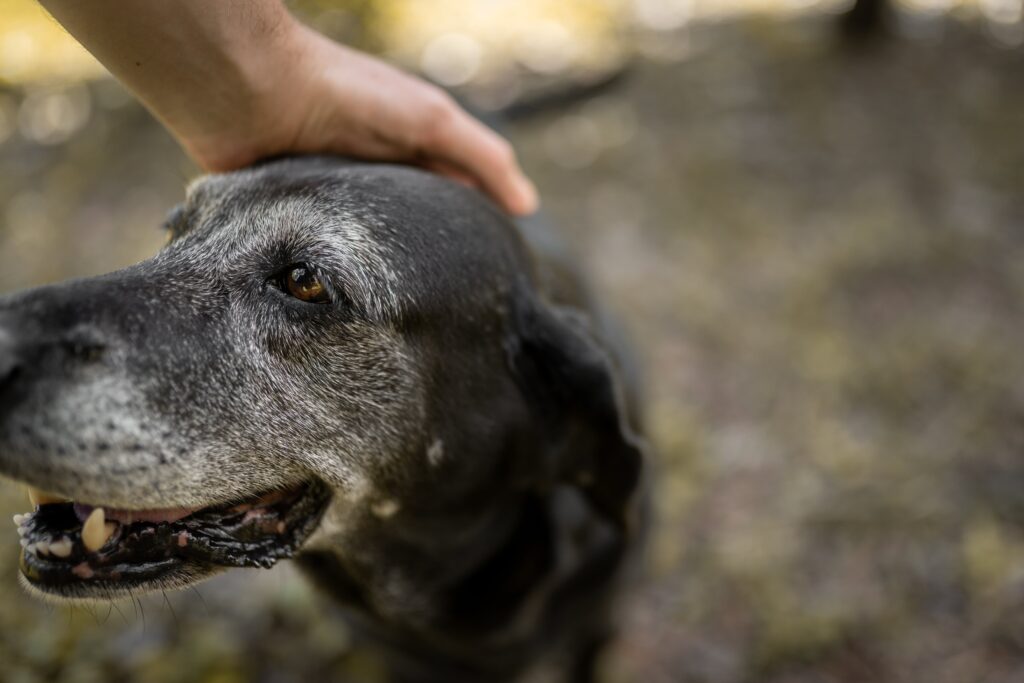
Idiopathic cases typically have a sudden onset of symptoms and subsequent rapid improvement. These cases usually occur in older dogs.
Classically, a dog with idiopathic vestibular syndrome will meet the following criteria:
They are an older dog
There has been a sudden onset of peripheral vestibular signs
There are no obvious other causes
The signs resolve over several weeks on their own. Supportive care may be required until they resolve.
How is Vestibular Disease Treated?
If it is not idiopathic and another cause is found, then treatment is directed at the underlying cause.
In severe cases, supportive therapy in a veterinary hospital via intravenous fluids and intensive nursing care may be required until your dog can eat and walk on its own.
If your dog is seriously disoriented or unable to stand or walk without falling and rolling, they may be given sedatives to help relieve anxiety and prevent injury. Drugs that help combat motion sickness may be required to help control vomiting or a poor appetite. They may need assisted feeding.
Antibiotics may be required in cases suspected of having middle or inner ear infections.
In less severely affected cases, home nursing care may be adequate. This care can include helping your dog get up, walk, and go to the bathroom. Your dog may also require assistance with eating, drinking, and keeping themselves clean in case of accidents.

What is the Expected Outcome?
The signs associated with vestibular disease are often most severe during the first 24 to 48 hours. Many dogs begin to improve within 72 hours.
The head tilt and stumbling often improve over a 7 to 10-day period. Most patients are completely recovered within 2 to 3 weeks, although some may have residual symptoms, such as a head tilt to one side or mild “wobbling” for life. Dogs who have had an episode may or may not have another episode in the future.
If the patient fails to improve or worsens, then a more severe underlying disorder should be suspected, and advanced diagnostic testing should be pursued. A referral to a veterinary neurologist may be recommended for your dog in these cases.
If your dog shows signs of vestibular disease, the best course of action is to seek rapid vet care with your caring veterinary team.
Our team are supportive and kind, and we welcome any questions you have. Feel free to book an appointment with our experienced vets, or give us a call.