
Dry eye, scientifically known as keratoconjunctivitis sicca (KCS), is a common eye condition that can affect our furry companions. As pet owners, it is crucial to recognise the signs and understand how to manage and treat this condition effectively.
So, our experienced vets have answered everything you might need to know about dry eye in dogs.
Let’s jump in.
What is Dry Eye?
Dry eye occurs when there is insufficient tear production or when the tears produced are of poor quality, leading to inadequate lubrication of the eyes. Tears play a vital role in maintaining eye health by providing moisture, nourishment, and protection against foreign particles and infections. When the eyes become dry, it can result in discomfort, inflammation, and potential damage to the cornea.
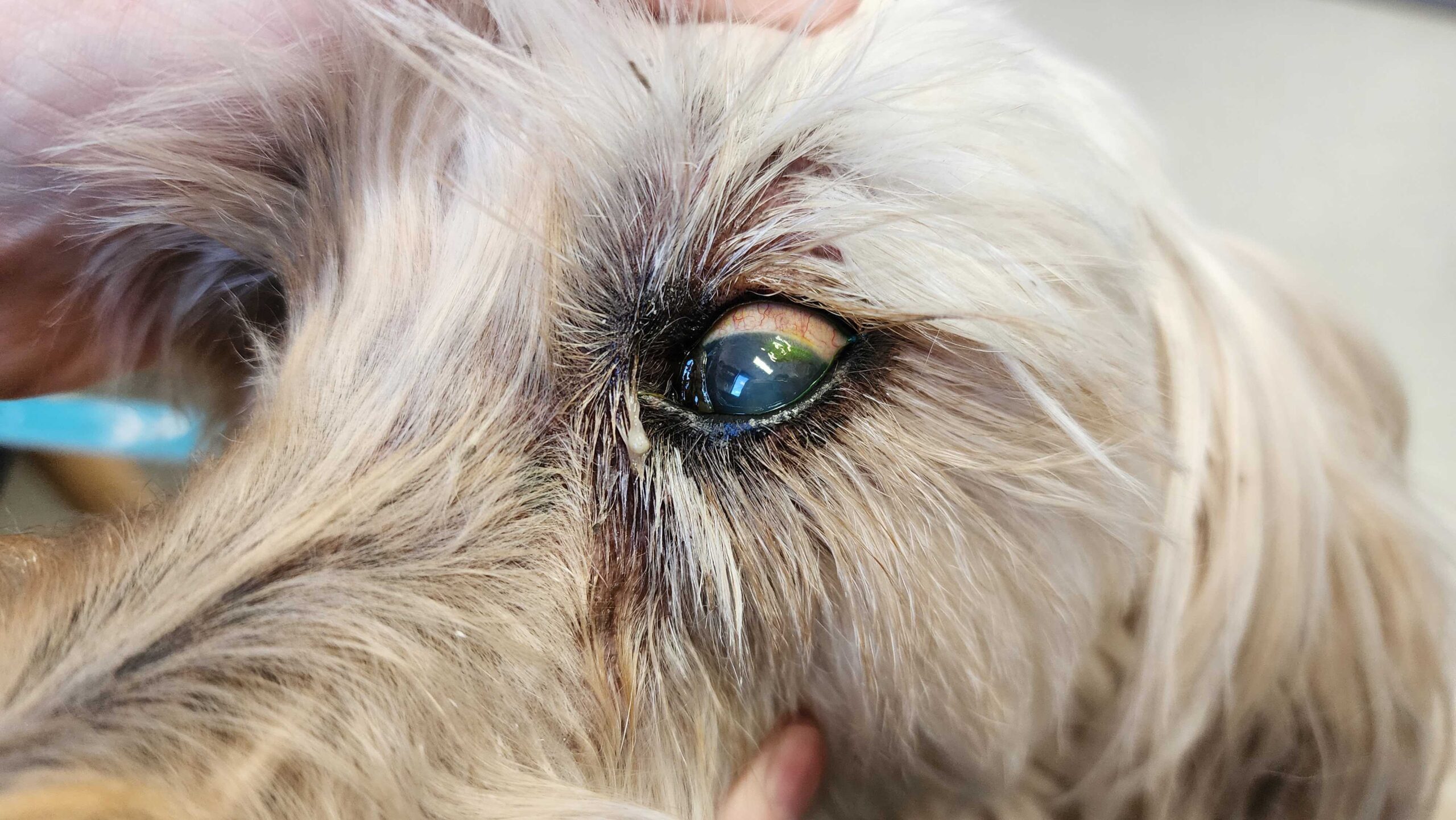
Pictured Below: Fifi the Labradoodle has an eye ulcer (shown by the special yellow stain) caused from dry eye.
Causes of Dry Eye
There are several factors that can contribute to the development of dry eye in dogs. One primary cause is immune-mediated destruction of the tear glands, where the body’s immune system mistakenly attacks the glands responsible for tear production.
Breed predispositions, such as in Shih Tzus, Bulldogs, and West Highland White Terriers, are also observed, indicating a genetic component to the condition.
Other causes may include hypothyroidism, infection, nerve damage or reactions to certain medications such as antibiotics containing sulphonamides.
Clinical Signs of Dry Eye
Recognising the signs of dry eye is essential for early detection and treatment and to prevent your pet from experiencing prolonged discomfort.
Some common clinical signs include:
- Excessive blinking or squinting
- Redness and inflammation of the eyes
- Discharge from the eyes, which may be thick and yellowish
- Cloudiness or ulcers on the cornea
- Rubbing or pawing at the eyes
If you notice any of these symptoms in your dog, it’s crucial to seek veterinary care promptly.
Diagnosis of Dry Eye
Your vet will perform a thorough eye examination to assess the general health of the eye. Baseline diagnostic testing will often include a Shermer Tear Test (STT), assessment of intraocular pressures and a fluorescing stain to assess for corneal scratches/ulcers, amongst others.
Some general practices (including ours) may have access to a specialised piece of equipment called an ophthalmoscope, which allows visualisation of the back of the eye, including the retina, optic nerve and vasculature.
Dry Eye is diagnosed based on a prolonged STT alongside ruling out other causes of the condition. A prolonged STT means that tear production is very slow or not present at all.
Management and Treatment
Managing dry eye involves a multifaceted approach aimed at
- improving tear production,
- relieving discomfort,
- and preventing complications.
Most cases are managed with topical remedies; however, surgical treatment is an option.
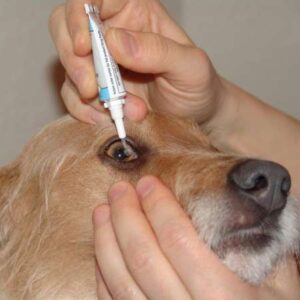
Artificial Tears
Lubricating eye drops or ointments can help provide moisture and relieve dryness. These may need to be administered several times a day, depending on the severity of the condition.
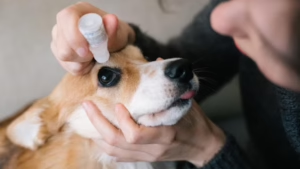
Medications
Anti-inflammatory medications or immunosuppressive drugs may be prescribed to reduce inflammation and prevent the immune system from attacking the tear glands and causing further damage.
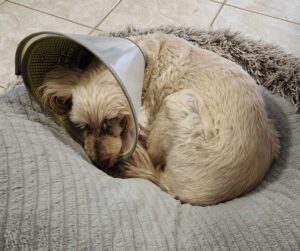
Surgical Options
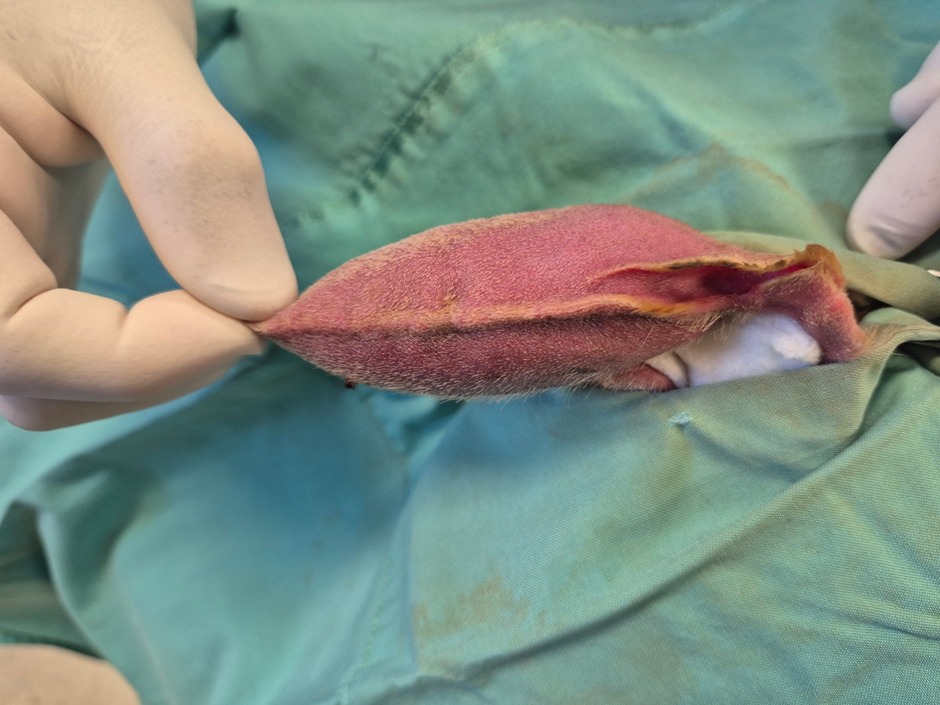
In severe cases or when medications are ineffective, surgical procedures may be required. Parotid duct transposition involves relocating a salivary gland duct to drain onto the surface of the eye to provide lubrication. Alternatively, placement of a temporary or permanent artificial tear gland may be considered.
Monitoring and Follow-Up Care
Regular monitoring and follow-up appointments with your veterinarian are essential to assess your dog’s response to treatment and make any necessary adjustments. Your vet may perform tear production tests and evaluate the overall health of the eyes during these visits.
In conclusion, dry eye is a manageable condition in dogs with proper veterinary care. By understanding the causes, recognising the signs, and following the recommended treatment plan, you can help ensure optimal eye health and well-being for your furry friend.
Want to learn more? Contact us on (03) 5902 7087 or email info@berwickclydevet.com.au. Alternatively, you can book an appointment here.
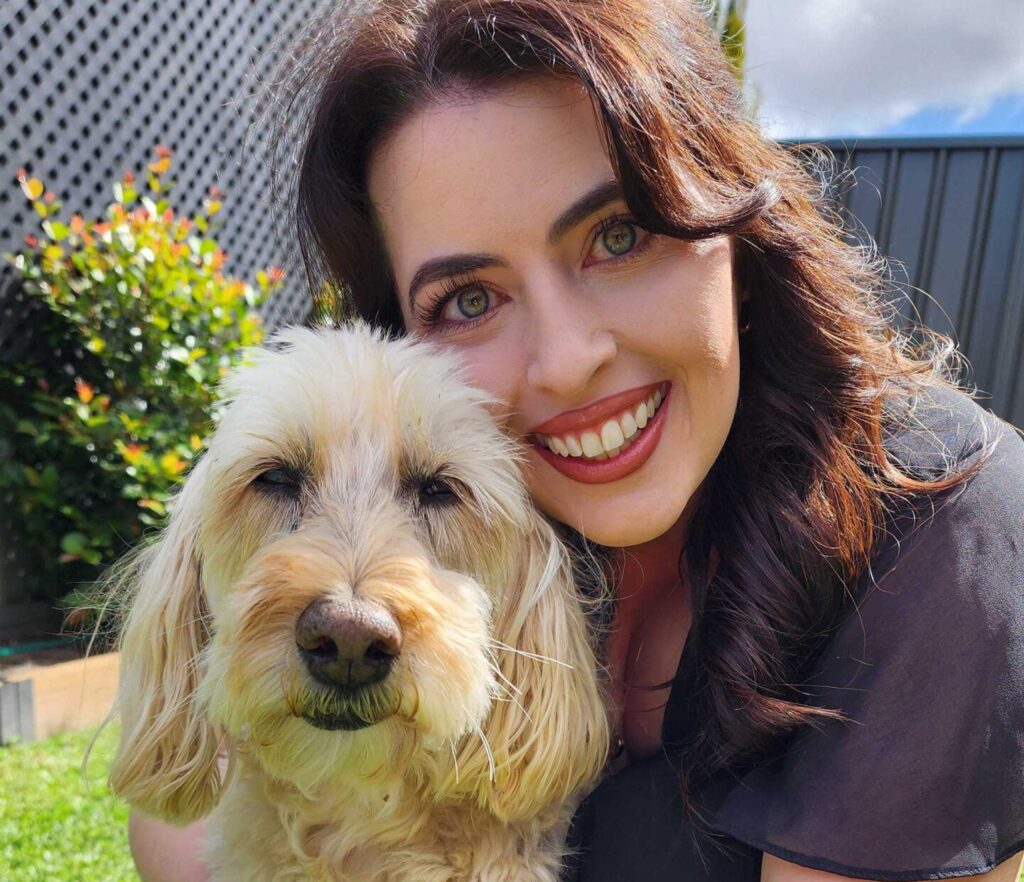
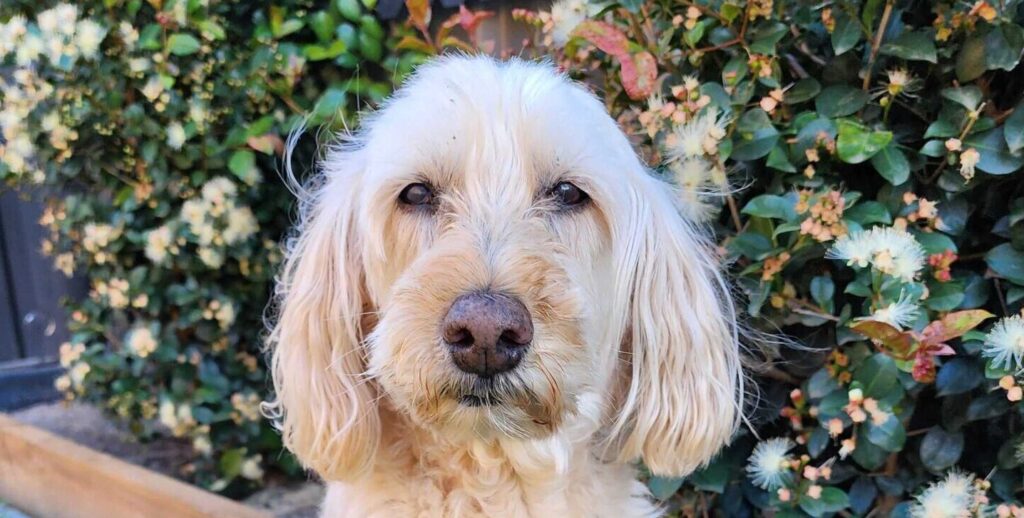
Pictured Below: Practice Manager Bec with her dog Fifi who has dry eye.