
If you live in or around Melbourne and have a rabbit, you might assume that as it lives safely within your home, in its hutch, it won’t be susceptible to ticks, fleas, and parasites. But, like all animals, rabbits can still pick up parasitic infections that can cause discomfort and health complications.
Our vets are experts, particularly in rabbit care and, even more specifically—rabbits living in Melbourne. So, they have listed the most common rabbit parasites and how your rabbit can become infected, what clinical signs to look out for and the appropriate treatment and prevention. Let’s dive in.
Types of Rabbit Parasites:
There are many different types of parasites, from ones that live on the external surface of the body (ectoparasites) to ones that live inside the body (endoparasites).
Let’s break them down:
Ectoparasites
1. Ear Mites in rabbits
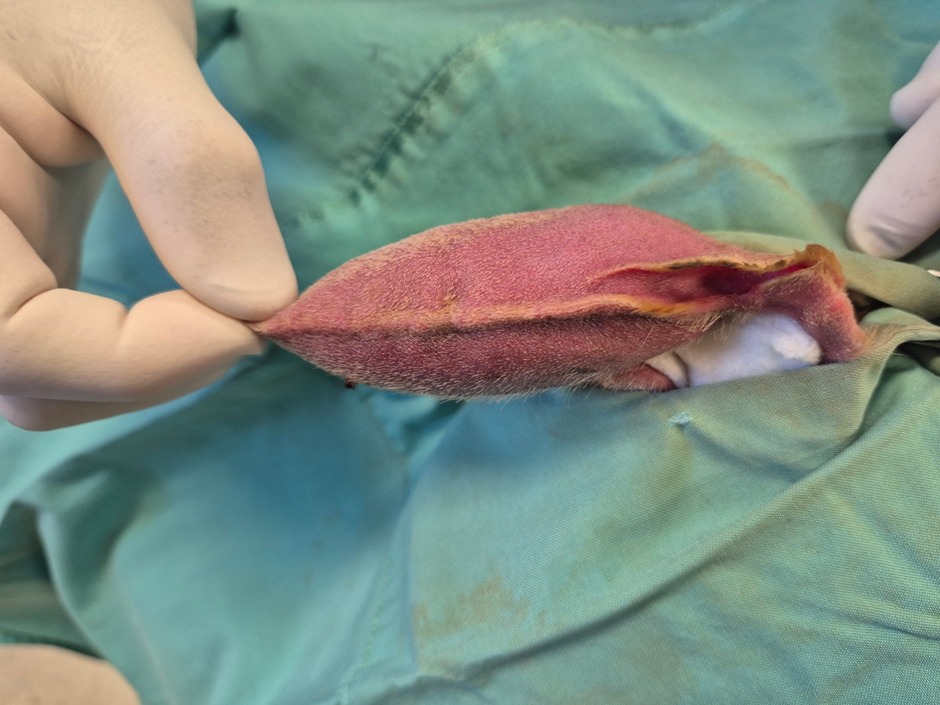
The ear mite, Psoroptes cuniculi, is a parasite that irritates the lining of the ear and causes thick brown crusts to accumulate inside. These crusts can be painful and uncomfortable, and we refer to them as ‘cankers’.
The accumulation of cankers can lead to secondary infections or damage to the inner ear can result in neurological signs.


What to look out for:
Rabbits with ear mites will scratch at their ears, shake their head and may become disinterested in food, resulting in weight loss and failure to thrive or reproduce.
If you notice crust debris (cankers) inside your rabbit’s ear/s never remove it! It will fall off naturally as the mite infection is treated revealing healthy healing skin beneath.
How are ear mites contracted?
Rabbits can contract ear mites by coming into direct contact with an infected rabbit, environment or person that was in contact with an infected rabbit. Yep, that’s right—you could pass a parasite to your rabbit!
How to Diagnose Ear Mites
A vet examines your rabbit’s ear canal for clinical signs (like cankers). In some cases, a swab may be taken to observe the mite under the microscope.
How are Ear Mites Treated?
2. Fur Mites
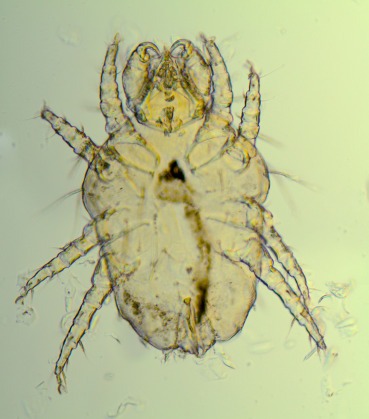
Now for the numerous mites that live on the skin and fur of rabbits—fur mites. The most common two are Cheyletiella and Listrophorus. These mites can cause the skin to feel itchy, although many rabbits are asymptomatic.
What to look out for:
You may notice your rabbit scratching themselves more frequently, or you might spot what appears to be ‘walking dandruff’ on the fur of your rabbit
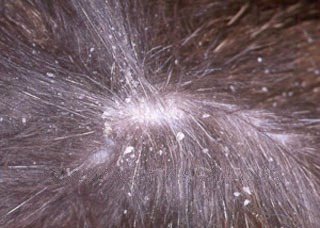
Cheyletiella may cause mild dermatitis in humans, so be mindful and use some hand sanitiser after handling your rabbit.
Two less common fur mites are Sarcoptes scabei and Notoedres cati. These mites cause an intense itch as they burrow into the skin to lay eggs. They are difficult to get rid of and are transmissible to humans.
How to diagnose Fur Mites
A vet will take a skin scraping and observe the sample under a microscope.
How to Treat Fur Mites
3. Rabbit Fleas
Unfortunately, rabbits are not immune to fleas. There are a few species of flea that can infect rabbits.
How do rabbits contract fleas?
They are spread from other household pets.
What to look out for:
Signs of flea infection include:
- nibbling or scratching at the skin,
- hair loss or scaley skin,
- and seeing flea dirt (small red-brown granules) or live fleas on your rabbit’s skin.
Fleas feed on blood, and in cases of a heavy flea burden, they can cause so much blood loss that your rabbit may become anaemic and show signs of weakness and pale gums.


Fleas can also carry various diseases, one of which—Myxomatosis—is life-threatening and cannot be treated in rabbits.
Fleas are rare in rabbits, but they can have life-threatening consequences, and as always, prevention is better than cure.
Regular anti-parasitic medication (in Australia, we recommend Revolution) is effective at preventing and treating fleas.
4. Ticks
Ticks are very uncommon in Melbourne; however, it is still possible for a rabbit to become infected with one, particularly if your rabbit spends a lot of time outdoors.
What to look out for:
They suck blood, and when engorged, they are quite visible on the body, and they tend to localise around the face, ears and neck.
Ticks can cause anaemia from blood loss, localised skin irritation and secondary problems by spreading harmful diseases.
If you notice a possible tick on your rabbit, take it to your vet so that the tick can be properly removed and your rabbit examined for any other ticks or health concerns.
Ectoparasites
Intestinal Worms/Pinworms/Tapeworms
Intestinal worms are very uncommon in domestic rabbits.
The two intestinal worms to be aware of are tapeworm and pinworm.
TAPEWORM
PINWORM
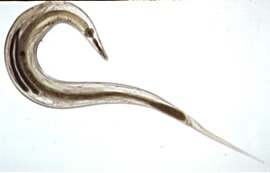

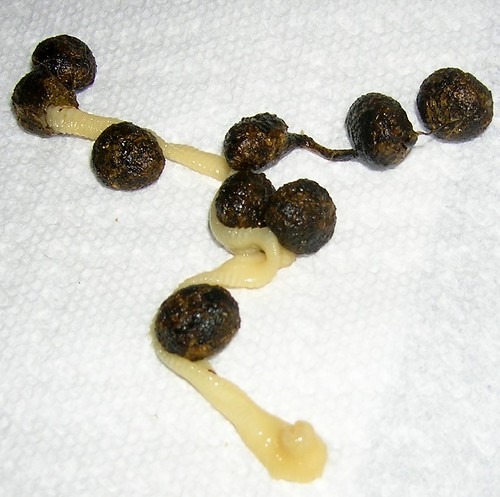
Tapeworms are parasites that require multiple hosts in order to complete their life cycle. For some species of tapeworm, rabbits are an intermediate host.
Rabbits become infected with tapeworm eggs by eating hay or food contaminated with the faeces of an infected animal (commonly a dog). The tapeworm eggs develop into larvae and form cysts in the rabbit’s abdomen and cause damage to the liver resulting in death.
How to diagnose Tapeworm in rabbits
Unfortunately, diagnosis of tapeworm infection is often only made during examination of the deceased rabbit.
The good news is that many pet dogs are wormed frequently to prevent the infection and spread of tapeworm and other worms.
How to treat Tapeworm in rabbits
You can reduce the risk of your rabbit becoming infected with tapeworms by ensuring the hygiene of their environment and food sources and treating other household pets for worms. If tapeworm infection is diagnosed in your pet rabbit, your vet will advise you of the most appropriate treatment plan.
The rabbit pinworm, Passalurus ambiguus, is a fairly harmless intestinal parasite. Rabbits become infected by eating the pinworm eggs in the faeces of infected rabbits.
What to look out for:
The most common clinical sign you may notice is itchiness and irritation around the bottom; however, often, the presence of this parasite goes unnoticed.
How to diagnose Pinworm in rabbits
A vet will analyse your rabbit’s faeces with a faecal float.
Treatment of Pinworm in rabbits
Treatment requires medicating your pet rabbit with anti-parasitic drugs prescribed by your vet.
Eliminating pinworms in rabbits can be difficult as they often reinfect themselves by consuming their own faeces. Therefore, a key part of treatment is diligently cleaning up rabbit faeces!
5. Coccidiosis
Coccidiosis is a common protozoal disease of rabbits and there are many species of coccidia. The ones that affect rabbits are:
- Hepatic (affecting the liver)
- Intestinal
Rabbits become infected with coccidia by consuming food or water contaminated with coccidial oocysts shed in the faeces of another infected rabbit.
Hepatic coccidia generally affects young rabbits more so than adult rabbits.
What to look out for:
The signs of infection include a poor appetite, a rough coat and stunted growth, which eventually lead to death as the parasite causes severe damage to the liver.
Infection in adult rabbits tends to go unnoticed as their immune system is better equipped to control the infection.
Infection with intestinal coccidia in rabbits is generally mild; however, signs you may notice include soft or liquid stools, lethargy, weakness and inappetence. Diagnosis and treatment are similar to that of hepatic coccidiosis.
How to diagnose Coccidiosis in rabbits
A vet will analyse your rabbit’s faeces for coccidial oocysts.
Treatment of Coccidiosis in rabbits
Treatment is challenging, and in some cases, the infection will never be cured, only controlled. There are a few treatment options, ranging from medications administered orally or in feed to ones diluted into drinking water. Your vet will advise you on the most appropriate treatment for your rabbit.
Alongside medication, it is imperative that cleanliness and hygiene are maintained in your rabbit’s environment to prevent re-infection.

We wanted to write this article to inform fellow rabbit-lovers in Melbourne of the presence and potential risks of fleas, ticks, and parasites. You might assume that, as this isn’t the USA you don’t need to worry about ticks, or because your bunny lives in an isolated hutch safe in your garden that it can’t fall victim to parasites. Well, hopefully, this has made things a little clearer.
The number one piece of advice from our experienced vets: keep your rabbits’ environment clean and well-maintained and provide regular parasite prevention for any other animals you have.
If you have any concerns regarding your pet rabbit’s health, please do not hesitate to contact one of our friendly staff. The health and safety of your beloved furry family members is our top priority.