What Are Aural Haematomas?
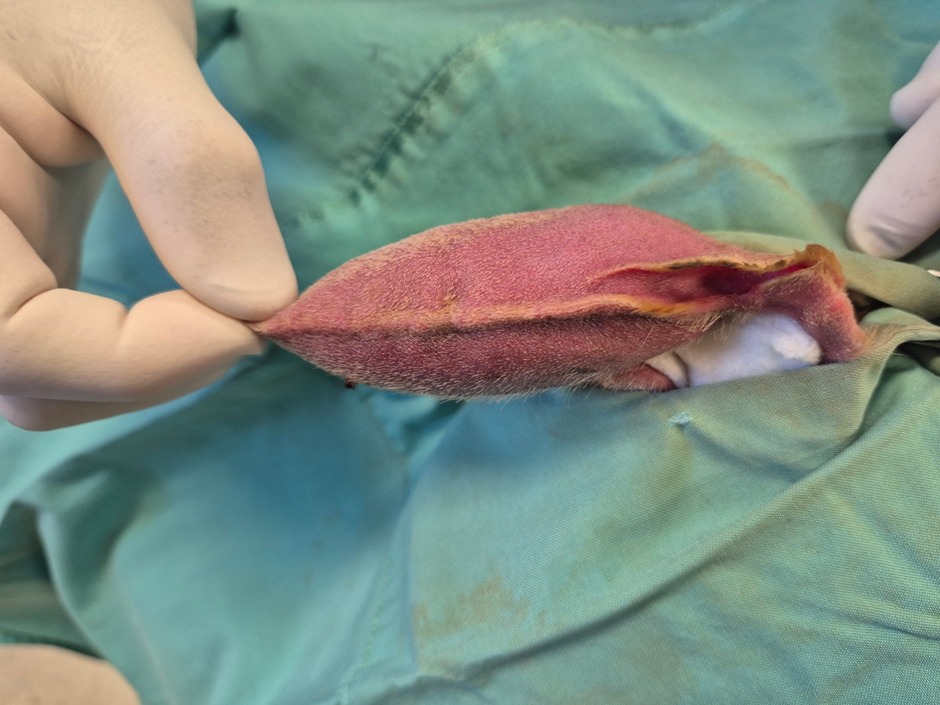
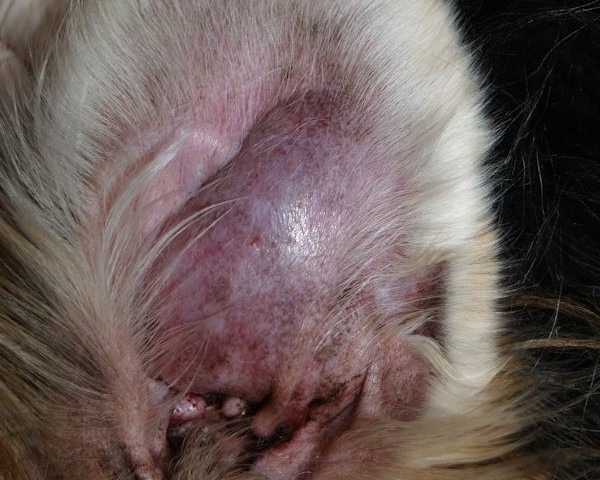
An aural (ear) haematoma is a soft, fluid swelling on a dog or cat’s ear. It forms when bloody fluid is trapped under the skin of the ear, between the skin and cartilage. It makes your pet’s ear appear puffy and swollen and may sometimes be sore to the touch.
Why Do Aural Haematomas Occur?
They occur due to burst blood vessels in the ear caused by irritation.
Causes include:
- ear infections,
- skin allergies
- or other irritation to the ear may
Any irritation that causes a pet to scratch at their ears or shake their head vigorously, which then leads to ruptured blood vessels.
Aural haematomas can range in size and appearance but are always seen and felt as a soft fluid swelling on the ear. When this occurs, we recommend a prompt visit to your veterinarian to have it checked as the underlying cause and the aural haematoma should be addressed.
What Is The Recommended Treatment For Aural Haematomas?
Surgery. We usually recommend having aural haematomas surgically repaired. The patient is placed under a full general anaesthetic and a surgical cut is made on the inner surface of the ear over the haematoma swelling.
After the fluid filling the haematoma is drained, your veterinarian will place stitches along the ear to compress this area. This prevents the haematoma from forming again.
The stitches will remain in place for around 2 weeks following surgery.
If the swelling was simply drained with a needle and syringe or if no stitches were placed after making a cut, the haematoma will refill again.
Your veterinarian will also likely recommend that your pet wears a plastic e-collar or cone to prevent your pet from scratching their ears and accidentally removing these stitches.

What Can Happen If My Pet Does Not Receive The Surgery?
If surgery is not performed on an aural haematoma, over time, the fluid swelling will reduce; however, scar tissue will form from the inflammation. This scar tissue can cause the ear to become distorted.
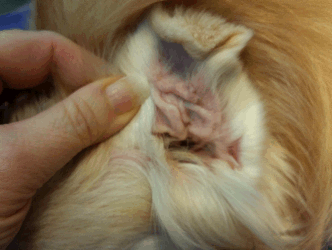
The ear might heal in a malformed fashion, leading to a scrunched-up look, or “cauliflower ear”.
Having a cauliflower ear not only means that it heals in a deformed way, but also makes it more likely for the patient to experience ear infections in the future, as it will be more difficult to clean the ear. The air flow to the ear canal is also reduced, making it easier for moisture to remain inside–an ideal environment for yeast and bacteria to grow.
What Can I Do To Prevent An Aural Haematoma?
The best prevention for an aural haematoma is noticing the signs of ear irritation early in your pet and addressing it. Signs of possible ear infections or ear irritation include:
- Head-shaking
- Scratching at ears
- Smelly ears
- Lots of yellow or brown wax in ear
- Redness and swelling of the skin inside of the ear
- Being head-shy when head or ears are being touched
Another recommendation is to clean your pet’s ears every 2 weeks with a pet-safe ear cleaner. We recommend this gentle ear cleaner from yourpetpa.
Having this routine encourages regular checking of the ears at home as well as ensuring that earwax is regularly being cleared, making it less likely for yeast and bacteria to cause infection in an ear.
We also recommend cleaning ears after a bath or after going swimming.

If you have concerns for your dog or cat and the health of their ears, please get in touch with our kind and caring vets and animal-loving team. Our contact details are here. We look forward to speaking to you soon.