
Did you know that dogs can suffer from anxiety? And when they do—when anxiety takes hold, just like us, stress can lead to significant consequences.
Understanding and addressing canine anxiety is crucial for maintaining their well-being.
We’re going to delve into the causes and symptoms of anxiety in dogs, offering practical advice and solutions to help you support your furry friend.
Let’s jump in…
Can Dogs Have Anxiety?
It’s true—dogs, just like us, can feel stressed, anxious, and distressed. While small, infrequent episodes of anxiety are considered normal, as they would with us (everyone has little worries), animals that experience regular or consistently high levels of anxiety result are at risk. They may display all sorts of behavioural problems or see a reduction in their quality of life and a strain on their relationship with their owner.
What is canine anxiety, and what causes it?
Anxiety is a state of unease or apprehension that can be triggered by a variety of factors. When a dog is anxious, physiological changes occur, like what happens in humans. The sympathetic nervous system triggers a “fight or flight” response, leading to an increase in adrenaline production. This prepares the dog to either confront or flee a perceived threat. Heart rate and blood pressure rise, and cortisol (the primary stress hormone) is released. In a dog, this manifests as restlessness, panting, trembling, etc.
The most common causes of anxiety in dogs tend to be:
- Separation from their owners
- loud noises (such as fireworks or thunderstorms)
- unfamiliar situations or environments
- past traumatic experiences
What are the signs of anxiety in a dog?
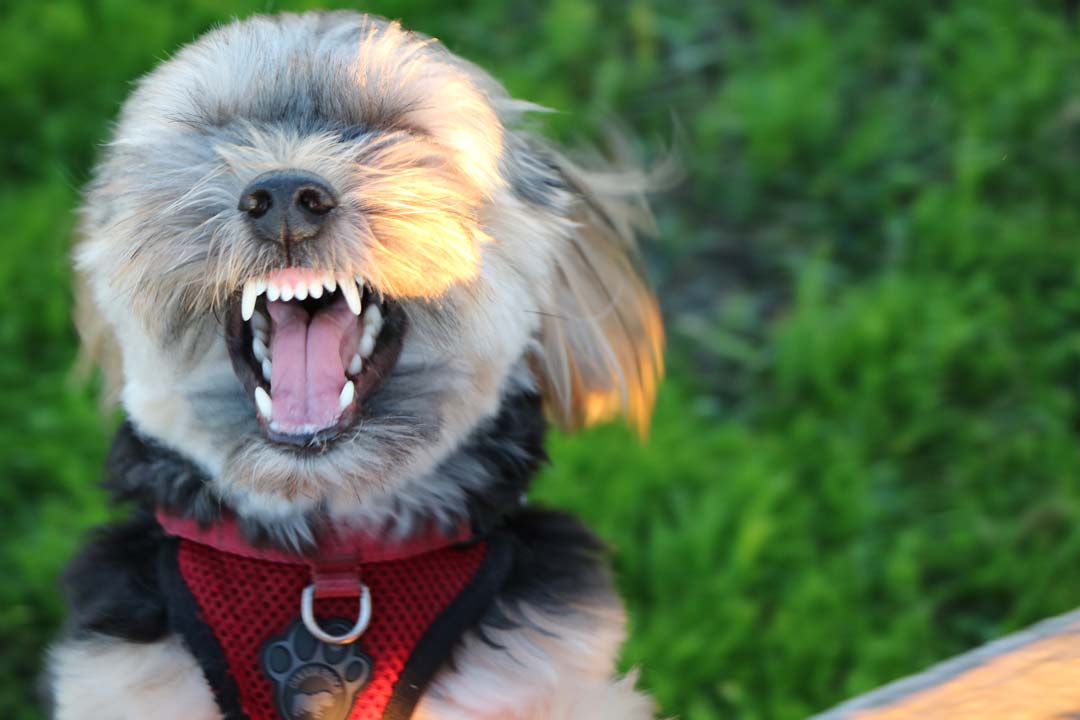
Anxiety signs can differ depending on the dog and the specific cause of their anxiety. The following are some of the most common signs to look out for:
- Restlessness
- Trembling
- Panting
- Pacing
- Excessive barking or whining
- Destructive behaviour (such as chewing or digging)
- Urinating or defecating in the house
- Attempts to escape or run away
- Aggression
Some of these may result from an isolated anxiety-inducing event. However, if you notice them occurring frequently, take them seriously and seek veterinary help. Aggression, in particular, should not be ignored, as it is dangerous to both the dog and others around it if it’s not addressed.
Having an anxious pet can be distressing. Fortunately, there are things we can do to manage it and ensure our beloved four-legged friends live a happy, comfortable life.
How to help a dog with Anxiety
If you think your dog may be experiencing some anxiety, seek advice from your veterinarian or an animal behaviourist. They can help diagnose anxiety, identify triggers and determine necessary treatments, as well as rule out other medical conditions.
One of the most common ways to manage anxiety in dogs is through behaviour modification techniques, including desensitisation and counterconditioning. These involve gradually exposing your dog to an anxiety trigger in a controlled setting and providing positive reinforcement for calm behaviour. For example, if your dog is triggered by other bikes, having someone ride a bike nearby and reward them for correct, calm behaviour trains them towards the appropriate response. This can help the dog learn to associate the trigger with positive experiences and reduce its anxiety over time.
Medication can also be an option. Anti-anxiety medications can help reduce the severity of symptoms. So, with the more severe symptoms reduced, it becomes easier to train your dog through behavioural training. Anxiety medication must be prescribed and monitored closely through a veterinarian to determine the appropriate medication and dosage for your dog. Some medications can have side effects or interactions with other medications.
How to Manage Canine Anxiety at Home
There are a number of options you can do at home to help manage your dog’s anxiety. Providing a safe and comfortable environment for them, including a cosy bed, plenty of toys and chew treats, and a predictable routine, can help them feel more secure and relaxed. Regular exercise and playtime can also help promote positive behaviour.
A Vet that can help with Canine Anxiety
Anxiety in dogs is treatable, and seeking professional advice is the first step toward helping your dog (and yourself) feel more calm and comfortable.
Here at Berwick Clyde Vet, we strive to make each pet’s visit a positive one. We are here to help and understand that caring for an anxious pet can be difficult. You are not alone, and with patience, understanding, and the right treatment plan, together we can help your furry friend overcome their anxiety and live a happier, more relaxed life.
To book a consultation, or speak to one of our experienced team, contact us here.